







Rev Dr Cris Rogers’ theological analysis of Stranger Things offers inspired parallels between the show and scripture, but the book’s hasty publication—completed within a week of the finale— seems to have resulted in some unfortunate errors, says our reviewer
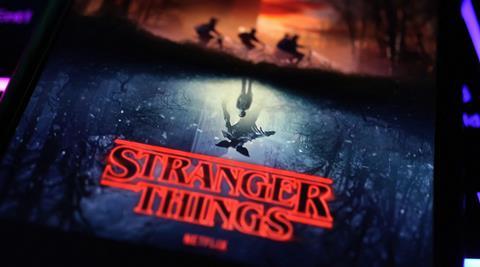
Please note: This article contains spoilers for the finale of Stranger Things.
In the modern streaming landscape, Stranger Things is that rarest of things: a show that Netflix’s bosses didn’t lose interest in after the first season. Netflix’s business model is reliant on a steady stream of new content, meaning many shows are either cut short, or end with a whimper. The fact that the Duffer Brothers got to tell the story they wanted to tell and given the time to do it properly is a testament to how beloved the show is.
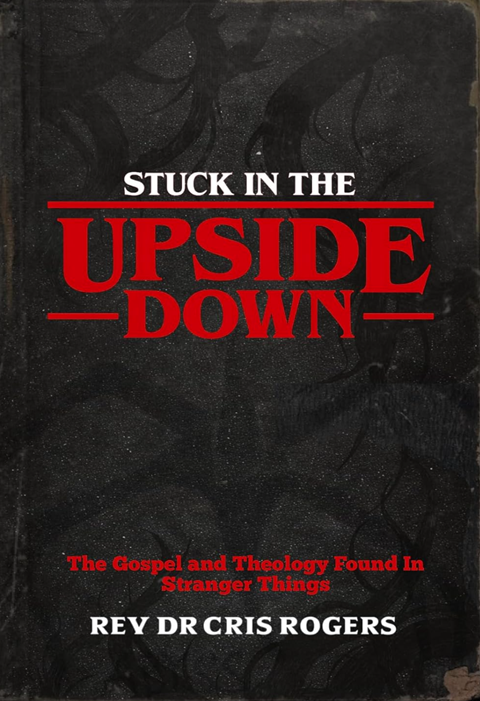
Stuck in the Upside Down: The Gospel and Theology Found in Stranger Things by Rev Dr Cris Rogers (Making Disciples) is the latest book to try and examine and unpack the faith parallels in the hit TV show. While not being an explicitly Christian show, Rogers points out that: “the show wrestles with some of the most profound questions humans have always asked”. The goal of the book is not to critique the show, but to recognise how it can create a jumping off point for conversations about faith.
Anyone who has sat through enough sermons will sooner or later have heard the preacher take an event from pop culture and turn it into a reflection of something from the Bible. Sometimes, the metaphors are elegant, sometimes they are absolutely stretched to breaking point. This book appears to do both. One great example concerns the very last episode of the show.
The final season shows us the true nature of the Upside Down, and we learn that Vecna’s plan is not to destroy our earth, but rather to draw the Abyss, the barren hellscape on the other side of the wormhole down. He aims to merge both realities and rule over our earth with pain and suffering. Rogers points out that this is a dark inversion of what we see in Revelation 21:2: “I saw the Holy City, the new Jerusalem, coming down out of heaven from God”. That is a parallel that is both inspired and nuanced. Rogers’ central thesis is that Stranger Things is exploring the Gospel by looking at the inverse. He has some brilliant things to say about the way evil cannot truly create, only corrupt and the implications of the term abyss.
Sadly, the quality of the analysis can vary from chapter to chapter. There’s one section where Rogers focuses on an early scene from season one, where Sheriff Jim Hopper arrives at work. When his secretary Flo, tries to talk to him, he quickly shuts her down by saying: “Mornings are for coffee and contemplation”. Rogers uses this as a jumping off point to remind readers of the importance of an early morning quiet time; a chance to reorientate ourselves towards God through prayer, scripture and yes, coffee if needed.
That is fine, as far as it goes, but it’s ignoring a crucial bit of context. The reason Hopper needs “coffee and contemplation” is not to reconnect with his own thoughts, but rather, to give him time to recover from his hangover. Since the death of his daughter and the breakdown of his marriage, Hopper has been self-medicating through cigarettes and alcohol. He is strapping a gun to his hip and coming into work late. This is made all the worse by Flo’s preceding line when she tells him that: “Joyce Byers can’t find her son this morning”. She is alerting him to the fact that a child is missing and he can’t be bothered to even hear the details. I don’t believe that Rogers thinks our quiet time should be prioritised over missing children, but it does seem quite the omission to strip out all of this context.
This leads to the central problem with this book, it feels far, far too rushed. Much of this book (three of its eleven chapters, plus the epilogue) relies on knowledge that could only be gained from watching the finale of Stranger Things, which was released on the 31 December 2025. Rogers began promoting the completed book on 3 January, less than a full week after the show wrapped up. That is not enough time to proof read a book, let alone write and research it. At times, this leads to simple things like spelling mistakes, at others, it leads to more egregious errors such as miscounting the number of waterfalls in a key shot. A small thing on the surface, but crucial to interpreting Eleven’s fate.
It’s frustrating because this book convinces us that Stranger Things is worthy of theological consideration and Dr Cris Rogers may well be the man to do it. But this book, in its current state, is not up to the task. Clearly, it was rushed out to try and catch the pop-culture wave of the show’s finale. But having to wait over two years between seasons means that Stranger Things fans are used to waiting, we could have waited a little longer for this.




















No comments yet