










After months of fierce debate, MPs have rejected assisted dying by just 16 votes. Tim Farron examines what changed – and why the Church’s response to questions of suffering, dignity and death matters more than ever.
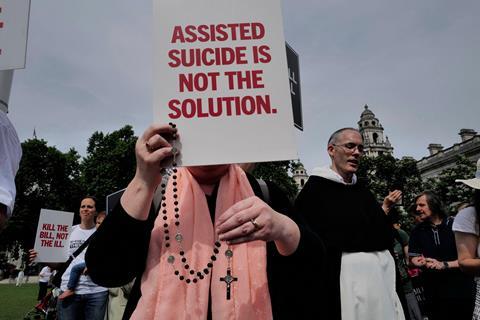
On Friday 11 September, MPs voted by a majority of just 16 votes to reject the assisted dying bill (286 to 270). This was the same legislation that had been passed by the Commons last year but ran out of time in the House of Lords.
Many of the bill’s proponents believe that a small number of peers had deliberately sabotaged it by tabling more than a thousand amendments. But the Lords were actually doing the job that the Commons gave them – to properly scrutinise a set of proposals that would fundamentally change the way the state views death and dying in England and Wales.
The latest vote means that the bill will go no further in either House. I think one of the main reasons for the shift was the growing opposition and unease towards this bill from expert groups such as the Association of Palliative Care Doctors, the Royal College of Physicians and the Royal College of Psychiatrists.
There was also a deep concern – including from some MPs who support the principle of assisted dying – about a perceived high-handedness from the bill’s movers. They sought to steamroller the bill through use of the Parliament Act without accepting any amendments that may have made it safer.
The Prime Minister’s stance is also important. While Keir Starmer was in favour of the proposals, Andy Burnham indicated that he wanted to see the postcode lottery of palliative care improved across the country before any law to legalise assisted dying. A number of Labour MPs, who previously supported the bill, stayed away from this vote.
It is highly unlikely that this issue will return in this Parliament. However, it has certainly not gone away.
At the heart of the assisted dying debate is the question of what it means to be human
The way in which our society thinks about death has changed in recent years. We have moved away from the Christian understanding that each individual is an image-bearer of the creator God, possessing innate worth and dignity. Instead, we prize individual autonomy and choice above all, and many believe that we have the right to take control of the way we die.
Advocates for assisted dying are undoubtedly motivated by compassion for those facing intense suffering, as reflected in the number of personal and heartbreaking stories recounted by MPs in the debate.
However, this argument links someone’s intrinsic worth to their abilities and capacity. It does not safeguard those who are vulnerable, those without agency, or those subject to coercive control by others or by the small voice inside them that says they don’t want to be a burden to anyone.
The idea that we can have perfect autonomy is a myth, but it has great power. At the heart of the assisted dying debate is the question of what it means to be human. The discussion will not go away and I believe the Church needs to step up to be the champion of the voiceless and the vulnerable, and to demonstrate that every individual has innate value right up to the very end of their lives.

























No comments yet