




Throughout the ages, humans have grappled with the meaning of death. It points towards the fact that we were made for eternity, says Andrew Fellows. In a society obsessed with controlling dying, only Christianity really makes sense of it
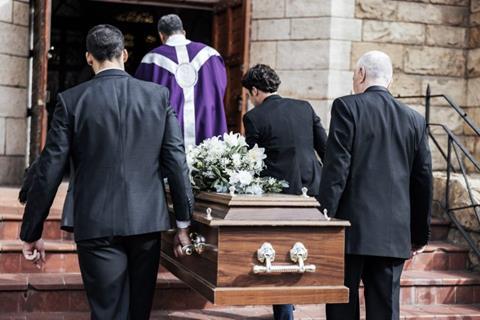
Last week, the Scottish Parliament was defeated in its latest attempt to make assisted dying legal. The Isle of Man and Jersey have already introduced such legislation and in England, the debate remains ongoing. All of this has led to a fresh examination of what constitutes a “good death”.
Death, like tax, is an inevitability that every person must face. The challenge in our secular age is that we haven’t been able to solve the problem of human mortality. Despite remarkable advances in science and medicine, death continues to be our fate. And while modern healthcare may significantly extend our lifespan, it simply cannot conquer death.
While animals are free from the burden of their mortality, we carry a consciousness that, one day, our bodies will be food for the worms. The American philosopher William James famously referred to this awareness of death as “the worm at the core”. All this raises what is perhaps the most profound question for our times: What does it mean to die well?
The meaning of death
Across the centuries, civilisations have grappled with the meaning of death and the question of how to die well. For the ancients, death was not seen as a conclusion but a transition. This understanding infused their rituals and beliefs around death, offering meaning and hope.
The Greeks envisioned the Elysium Fields as a sanctuary for the good and virtuous, a reward beyond this life. Similarly, Christianity holds out the promise of a new heaven and a new earth, where lasting joy awaits in God’s presence. Before the rise of a secular worldview, what united these different understandings of death was the conviction that it wasn’t the end but a passage to something else.
Our life is not a story that ends with death but continues beyond it
By way of contrast, today many view death as a final end, and have chosen to deal with its challenge in two ways. First, we have made a collective effort to try to ignore it. The bygone era of funeral rituals, viewings, wakes and headstones has given way to rapid crematorium services, where mourners barely pause before the next ceremony begins.
Caskets are whisked away, cremated without witnesses, and ashes are scattered quietly and privately. Graves and tombstones, once lasting symbols of remembrance, are becoming rare. This transformation signals a growing determination to shield ourselves from the stark reality of death and avoid the questions that it askes of us.
Second is the trend toward assisted dying, which is our attempt to exert control over the process of how it happens. Advocates frame this as a fundamental human right - a way for individuals to dictate the terms of their departure. Legalisation and the normalisation of assisted dying offer the illusion of some mastery over this fate.
Made for eternity
Yet what this misses is the deeper meaning of death, and the reality that we were made for eternity. If humans are merely biological animals inhabiting a material world, then death is, inevitably, the final act. This perspective offers no choice but to see death as nature’s ultimate punctuation mark; the best we can do is to control how and where it happens.
Christianity challenges this by contending that God has etched eternity into the human soul. Our life is not a story that ends with death but continues beyond it. The Christian worldview insists we are part of an ongoing drama that does not fade at the grave.
American philosopher William James famously referred to the awareness of death as “the worm at the core”
If you want proof of this, just look at the growing cultural fascination with what happens after death. This is particularly evident in the widespread curiosity surrounding near-death experiences (NDEs). People who have had close encounters with death, whether in the operating theatre or after car crash, often report profound personal experiences that suggest the existence of an afterlife.
The 19th-century Danish philosopher Soren Kierkegaard believed that death is our teacher, pointing to the great reality that we are made for eternity. As the conversation intensifies around assisted dying, Christians must engage by introducing a deeper understanding of death’s meaning. Our modern attempts to exert control over how and when it happens through assisted suicide is to miss this meaning.
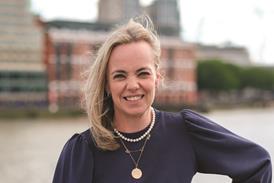
Andrew’s book, Humanity Matters: Re-enchanting homo sapiens (IVP) is available now



















No comments yet