









Don’t back the Green Party, says Lois McLatchie-Miller. Beneath their emphasis on the climate lies a different agenda where Christian ideals are strongly opposed
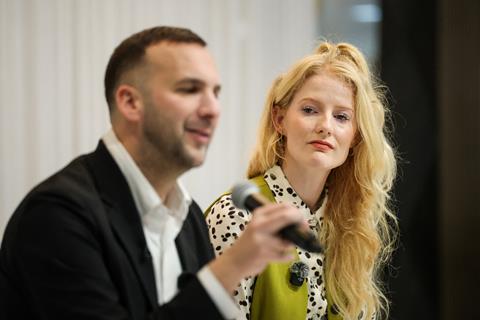
Hannah Spencer MP took her seat in Parliament this week after a dramatic by-election in Gorton and Denton - a contest that signalled more than a local upset. It reflected a broader shift in British politics.
The old Labour–Conservative duopoly looks increasingly fragile. In its place, smaller and more ideologically driven parties are capitalising on public frustration, offering sharper identities and clearer moral narratives.
It would be easy to dismiss the Green surge as a protest vote. Many voters are disillusioned with an establishment that understandably feels stale. For some seeking change, the Green brand seems to offer a softer landing than a shift to the “populist right”. Environmental concern, framed in the language of stewardship and justice, resonates deeply - including with Christians who rightly believe that caring for creation is a biblical mandate.
But political branding is not the same as political substance. Beneath the emphasis on climate and compassion lies a platform that raises serious questions about human dignity, moral responsibility and freedom of conscience.
Consider the Green Party’s position on drugs. Under Zack Polanski’s leadership, the party supports the decriminalisation of all drugs and has proposed a regulated legal framework for substances currently prohibited - including hard substances like cocaine and GHB (commonly known as the “date-rape drug”). Advocates argue that shifting from criminalisation to a public-health model would reduce gang violence and treat addiction more effectively.
Yet international experience gives pause. In parts of the United States where enforcement has been scaled back, the social consequences have been severe. Walking recently through the streets of Seattle, where enforcement of drug laws has been scaled back, I encountered the visible toll of the fentanyl crisis: public disorder, spiralling overdoses and communities strained to breaking point. I walked past men, frozen on the street, doubled over, unaware that their bare behinds were exposed to the entire world. The debate about policy models is complex, but the underlying moral question is simpler. Are drugs something to be “safely enjoyed,” or substances that damage the body and diminish the person? A Christian account of the human person - embodied, vulnerable, made in the image of God - cannot treat chemical self-destruction as a lifestyle choice to be normalised.
environmental posturing must not eclipse the harder questions about life, liberty and free speech
On life issues, the divergence is sharper still. The Green Party supports the expansion of access to assisted suicide, and Green MPs backed extreme proposals to decriminalise abortion all the way up to birth. Supporters frame this as a win for autonomy. Christians should see something else: a devastating shift in how society measures the worth of a human life.
The party’s approach to gender raises similar tensions. The Greens have consistently supported self-identification policies which would allow men access to women’s bathrooms, changing spaces, rape crisis shelters and elsewhere. Additionally, they back access to puberty blockers for children – chemicals designed to impact their natural development, which can have long-term negative consequences on their physical and mental health, including their future fertility.
How can children - who cannot consent to marriage, military service or even a tattoo - meaningfully consent to dangerous and unnecessary medical interventions? Christians know that children are made in the image of God. They don’t need drugs and scalpels, but love and affirmation to embrace their bodies just they way they are.
It’s clear, then, the various positions of the Green Party conflict with the Christian understanding of the Imago Dei. But perhaps even more troubling than any single policy what the party’s own actions suggest about their tolerance for different views. Externally, the party have backed policies that could prohibit Christians from praying, even silently, near abortion facilities; or could prevent parents from counselling their child away from harmful ideas about gender transition. But internal actions are even more revealing. High-profile cases involving figures such as Shahrar Ali have raised concerns about how gender-critical beliefs are treated within party structures, with a number of members having been expelled from the party for acknowledging the biological reality of male and female. Court findings of procedural unfairness and allegations of internal “purges” have contributed to an impression of viewpoint discrimination.
For Christians – and others who hold traditional convictions about marriage, sex and the sanctity of life – supporting a party that aligns with core values is important. Equally important is being sure that the party would protect freedom of belief itself. UK equality law protects this right, and must be respected – in our current cultural climate, more than ever.
The Greens have every right to argue for their vision of the good society. Voters have every right to endorse it. But the test for any rising political force is not merely whether it captures seats from a weary “old guard”. It is whether it strengthens a political culture that safeguards human dignity and protects freedom of conscience, even for those who dissent from the prevailing orthodoxy. So far, the Green platform has been found to be lacking. And as Christians watch a new chapter in British politics unfold, environmental posturing must not eclipse the harder questions about life, liberty and free speech.






















7 Readers' comments