

Christianity-free zones have no place in the UK
By  Lois McLatchie Miller2026-05-08T14:24:00
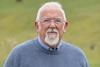
A retired pastor has been convicted after reading John 3:16 on the fringes of a buffer zone near a hospital in Northern Ireland. If that’s enough to trigger criminal prosecution, we are entering dangerous territory, says Lois McLatchie Miller
The conviction of Clive Johnston this week should concern every Christian - and indeed every Briton who values freedom.
A 78-year-old grandfather now has a criminal record for holding a small open-air church service near a hospital in Northern Ireland.
He displayed no graphic signs, shouted no abuse, blocked no entrances, and did not even mention abortion. He simply preached from John 3:16 - perhaps the most famous verse in the Bible: “For God so loved the world that He gave His only Son, that whosoever believes in Him shall not perish but have eternal life.”
Yet that was enough to make him guilty under Northern Ireland’s abortion buffer zone laws.
The uncomfortable question now facing Britain is this: are we creating Christianity-free zones in parts of our public square?
Pastor Johnston was not accused of…
Related articles
-
 Opinion
5 reasons I believe the UK Church is in a spiritual springtime
Renewal is here, says the Evangelical Alliance’s Phil Knox
-
 Opinion
How 7 Caribbean Christians helped reshape the British Church
On 20 September 1953, Oliver and Rose Lyseight laid the foundations of a church that would give Caribbean Christians a space to worship, support each other and develop the leaders who would carry the movement forward. 73 years on, Lee Brickley says they didn’t just find a place in British Christianity – they changed it
-
 Opinion
Why MPs finally said no to assisted dying
After months of fierce debate, MPs have rejected assisted dying by just 16 votes. Tim Farron examines what changed – and why the Church’s response to questions of suffering, dignity and death matters more than ever.
More from Opinion
-
 Opinion
Should Christians fear the existential threat of AI?
A conversation on social media between two AI experts has led to news headlines about the end of the human race and the urgent need to regulate the development of superintelligence. Chris Goswami says the Church must take warnings about AI seriously, but not forget the hope we have in Jesus
-
 Opinion
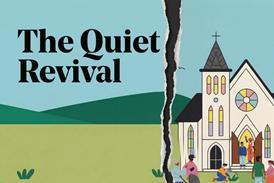
Young people are turning to God, but not for the reasons you think
A new report from Christian thinktank Theos looks at the faith of 30 young people who have become Christians since Covid-19. Freya Laidlow-Petersen says their stories of slow conversion offer an alternative insight into the loud debates that have surrounded the so-called ‘Quiet Revival’
-
 Opinion
Don’t be deceived: Danny Tomo’s Patriot Platform does not represent Christ
It isn’t racist to ask hard questions of our government about immigration policy. But when we consider what form our social action should take, let’s use the Bible to ask hard questions of ourselves, says Dr Krish Kandiah. Taking to the streets in balaclavas and using violence isn’t what Jesus would do
- Issues
- Topics A-Z
- Writers A-Z
- © 2026 Premier Christianity













Site powered by Webvision Cloud