








Climate activist Jo Knight’s new book challenges Christians to move from spectators to active participants in creation care. Rooted in biblical theology and filled with practical hope, Called to Care argues that environmental action is an act of love for what God loves, says our reviewer
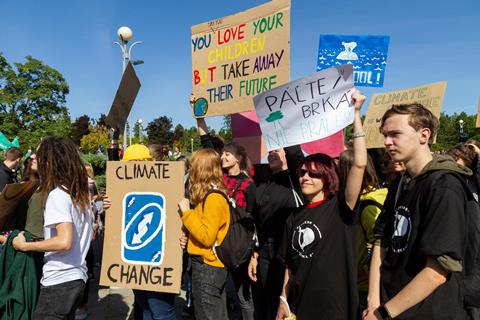
How do we treat one of God’s greatest gifts to us – our planet? And what should we do when this creation is under threat?
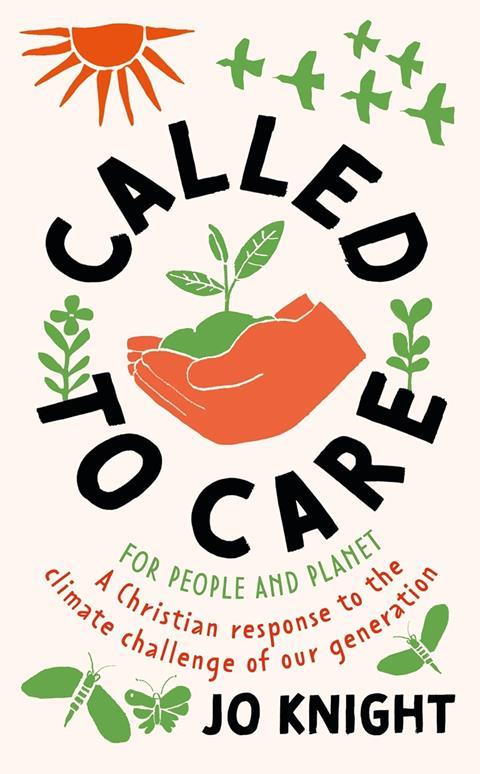
In Called to Care (IVP), Jo Knight, a climate activist and writer, explains that it is essential for Christians to take action against the climate crisis. As those with “dominion over creation”, human beings hold power over the environment. However, we also have a duty to protect it – we are still of the world and rely on it. Knight reminds us that we cannot survive without nature, even though nature could survive without us. 50% of the oxygen we breathe comes from the ocean’s microscopic phytoplankton.
The book’s theological backbone draws on the popular understanding of God’s big story in four parts (Creation, Fall, Redemption, New Creation). Knight moves from the inherent goodness of the original creation to the dissonance caused by human sin, which she links directly to our current climate crisis. She challenges the Western tradition of dualism – the idea that God is only interested in the spiritual realm – noting that if we believe God lovingly created a beautiful world, we must love what the Creator loves, and take action as Jesus would.
Knight strikes a difficult balance between urgency and gentleness. This avoids the shaming common in climate discourse, opting instead to invite the reader on this journey. Creation care isn’t a chore; it’s a path to spiritual renewal and an act of love for God’s creation.
Throughout, the narrative maintains a prevailing sense of hope. This is theological, considering the healing power of Christ, but also practical. Knight intertwines interviews with those on the frontlines of climate change, provides personal reflections and invites readers to respond. The biblical discipline of lament is a particularly helpful tool for turning fear into action. By processing our grief alongside the “groaning” of creation, we find the spiritual resilience to move from the current situation toward active restoration.
Beyond the immediate crisis, Knight delves into the transformative potential of communal action. She introduces the forest maker Tony Rinaudo, whose faith-led work in Niger saw 200 million trees regenerated through simple, nature-based techniques known as Farmer Managed Natural Regeneration (FMNR). Through this work, the church has been able to bridge cultural and tribal divides. Knight emphasises that we are all part of an “ecosystem of influence,” where the collective efforts of ordinary believers can shift the mindsets of even the most self-interested corporations. By rooting our advocacy in the early Church’s model of remembering the poor, we move from being spectators to active participants. Even if we can’t all be forest makers, we can all plant seeds for the future.
This already wide-ranging scope is part of a broad slate of global topics covered in the book – justice, politics, eco-anxiety, generational divides, and even the role of the Church in creating this crisis. This panoramic perspective brings some challenges. For example, the section with next steps for sustainable changes to make seems unduly succinct. This is where a reader would have most control compared to shifting policy or dedicating their life to environmentalism. However, Knight argues that these small acts can build momentum for global transformation. She uses the concept of the “climate shadow”, where our actions can catalyse wider change in our communities.
Knight also stresses the importance of intergenerational faithfulness, drawing on the conviction of younger generations who are increasingly alienated by the Church’s silence on environmental collapse. She points to the success of initiatives like the Eco Church scheme and the Season of Creation (taking a particular focus on caring for God’s creation in September each year) as proof that institutional change is possible when worship and practice align. These movements illustrate that “holistic mission” is actually good for the Church’s own spiritual health, acting as a form of “spiritual rewilding” that revitalises tired faith.
This focus on action is aided by the call and response structure, which encourages regular reflection throughout the book. This book shouldn’t be read once and put aside; it’s one for bedside tables, coffee catchups, or book clubs, to prompt thoughts, discussions and actions. It’s essential reading for any Christian seeking to play their part in the renewal of creation.


























No comments yet