


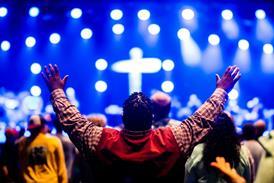
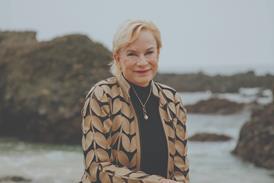




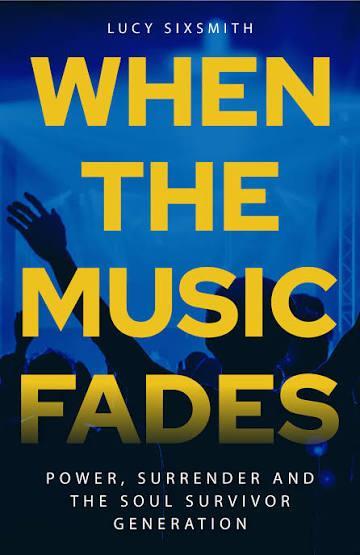
In her memoir, When the Music Fades, Lucy Sixsmith revisits the popular Christian festival, Soul Survivor. Her writing raises important questions about power and safeguarding, says our reviewer
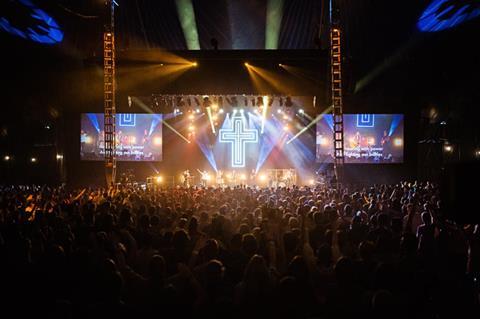
Lucy Sixsmith is one of many tens of thousands of teenagers who attended the popular Soul Survivor summer festivals, which ran in Somerset, Peterborough and Staffordshire in the late 90s and early noughties.
In her new book When The Music Fades: Power, Surrender and the Soul Survivor Generation, Lucy reflects on her experiences at the Christian festival, which came to an end in 2019.
She describes the events as offering “space to be a teenager, freely and uproariously, for five days that were short on showers but long on hot doughnuts and Diet Coke.” But she also raises uncomfortable questions about the power dynamics at work and the influences being exerted on the young people taking part.
Christian parents, church ministers and youth leaders regarded the festivals as ‘safe spaces’ to worship God. Yet maybe, argues Lucy Sixsmith, this was not the case.
Soul Survivor was hugely popular in charismatic evangelical spaces. Given the context of so many young people turning their backs on the church, the success of the annual festival seemed like a glimmer of hope in an otherwise gloomy landscape. This was compounded by the fact Soul Survivor was born out of the Anglican tradition during a time when the Church of England in particular was being criticised for failing to attract young people. Indeed it was common to hear Christians remark how God was on the move among a new generation of believers - the popularity of Soul Survivor and the hordes of young people who found Jesus at the event was evidence.
Sixsmith, now a research fellow at St John’s College, Cambridge, has produced a deeply personal memoir, examining the influence that the festivals had on her as a teenager, and in later years. She writes with clarity, insight and humour, drawing on her deep knowledge of literature and music.
Sixsmith writes: “Teenagers are all little in a tent of thousands, however large and lanky they might be. They’re all vulnerable, unused perhaps to being in such an enormous crowd, hyped up by music and jokes, worn down by lack of sleep, anxious to belong, anxious to mean something, half-grown, half-developed, idealistic, unrealistic, self-conscious and impressionable. She has fond memories of Soul Survivor as “a five-day party, five Sundays and no Monday mornings” and recalls: “There was something about tin plates, sleeping bags and the open air that made you feel like a real human, really alive.”
The book raises challenging questions about the festivals, their impact on the teenagers and the power dynamic being exerted. These issues have come into sharper focus, after an independent review found that abuses of power by Soul Survivor founder Mike Pilavachi had been enabled by a ‘wholesale’ failure of organisational culture. Mike Pilavachi was stripped of his MBE in 2025: “for bringing the honours system into disrepute” and stepped down from ministry following safeguarding concerns.
Sixsmith vividly recalls the times at the festivals when thousands of young people would sit in silence, waiting for the Holy Spirit to move. She describes how the teenagers and young adults would sit: “until someone wept, or laughed and Mike said things like, ‘It’s OK’ and ‘thank you, Jesus.’”
Looking back, she questions Mike Pilavachi’s controlling role in these sessions, commenting that she never thought about “what an ego trip it must have been” for him. That said, the book is not a hatchet job on Soul Survivor. While Sixsmith delivers serious criticisms she also commends Soul Survivor’s commitment to social justice issues, in the UK and overseas. The book also represents a personal viewpoint, delivered by someone who was once an enthusiastic participant in the festivals, and is looking back on her former self.
Sixsmith has explained that her book is not just about Soul Survivor, but about: “the wider culture of charismatic evangelicalism in Britain in the nineties and noughties.”
She believes that many people who attended Soul Survivor festivals or other similar events must now be evaluating: “how we messed up or were messed up, and whether and how that sub-culture enabled abuse, or was itself abusive.”
The core question running through this book is ‘how safe were the Soul Survivor festivals?’ What was really going on, especially in the dynamic between Mike Pilavachi and the young people who enjoyed the worship – often so different from their home churches – and relished the freedom that the festivals brought.
But Lucy Sixsmith is a voice raising deep concerns about the festivals, and her account is one that needs serious consideration. She may be a minority voice, or she may be speaking for many others who, decades later, are reassessing Soul Survivor’s impact on their lives.
The book ends with Sixsmith, back in the church where she took part in Soul Survivor’s ‘Soul in the City’ project 20 years earlier. She appreciates the traditional words of the communion service, but her faith is such that she is unsure whether to go forward for the bread and the wine.

























1 Reader's comment