





The Daisies of Africa is an honest and astonishing story of faith and sacrifice, says our reviewer
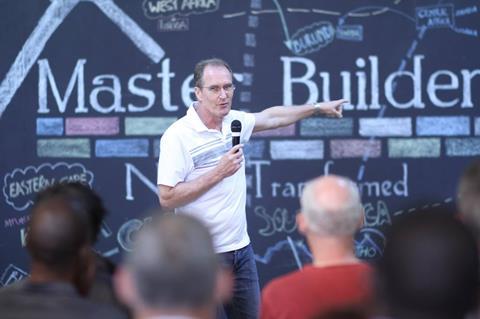
What makes a family leave the comfort and busyness of Cape Town – successful careers, good schools for their three sons, and the support of family and friends – for a remote rural community fourteen hours away? What compels them to exchange familiarity for loneliness, isolation, poisonous snakes, rats, risk and uncertainty?
A prophetic word and the call of God. This is that story.
The Daisies of Africa (Malcolm Down Publishing) is a deeply personal and powerful account of Steven and Heather Oliver and their three sons leaving the bustle of city life to plant a church in the remote town of Clarens. With disarming honesty and vulnerability, the author reflects on the challenges of following God and discerning prophetic words, especially when they seem to lead into hardship, danger, uncertainty – and very cold weather.
The book begins with a single, significant prophetic word given to Steven while lying on the carpet during the Toronto Blessing – a life-changing encounter with God. What follows is a story of obedience, sacrifice and upheaval that challenges those of us who have grown comfortable with warm and predictable lives.
Heather Oliver’s transition to homeschooling three children while adapting to rural life in a draughty house with irregular water, electricity and internet, and few friendships nearby, is sobering. Dealing with snakes in the bathroom and worrying about where the children are playing takes church planting to another level entirely. The raw honesty with which these trials are recounted makes frustrations like struggling to find a parking space in Guildford seem remarkably trivial. Honesty and vulnerability are hallmarks of this book.
And who knew that church planting in Africa might involve learning how to be a vet – or being prepared to be arrested and locked up?
The descriptions of life in South Africa emerging from the cruelty of apartheid, alongside reflections on the historic 1994 elections, army conscription, regional conflict and the devastation of HIV/AIDS, provide important political and social context. In contrast, the sweeping descriptions of the landscape bring moments of beauty and colour, helped further by the inclusion of photographs. South African readers, in particular, are likely to appreciate these details.
For European readers, however, the realities of apartheid, the influence of witch doctors, the dominance of ancestral worship and the intensity of overt spiritual warfare may feel unfamiliar or difficult to grasp. Yet that is part of both the challenge and the joy of the book – it is eye-opening, brain-scrambling, theologically stretching and, at times, deeply shocking. And running through it all is a deep and wide river of racial tension and suspicion – one that continues to shape relationships, communities and everyday life. However, one of the book’s most glorious outcomes is that this river is crossed, bridged and, in many ways, dried up altogether through the formation of a beautifully racially diverse church.
After difficult beginnings, miracles begin to unfold at the newly named Dihlabeng Church. Large crowds gather for meetings – seemingly from nowhere. We read of the spectacular deliverance of a local witch doctor (though some scenes would probably warrant an 18 certificate), alongside stories of salvation (36 in a day), mass baptisms in the river, care for the poor and the fulfilment of God’s promises to “prepare for 500”. It all makes for compelling, wide-eyed reading.
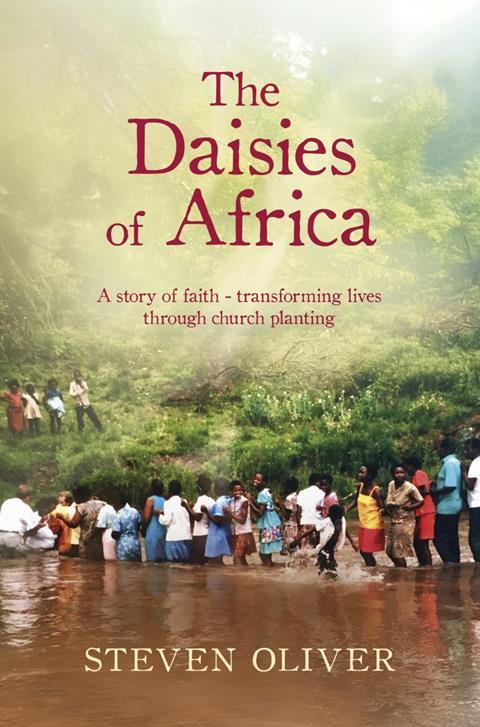
Much of the book draws on Steven’s well-kept journals, offering a helpful reminder to us all of the importance of recording significant moments with God. The vivid descriptions of the landscape, mountains, people and events often read like a screenplay for a Netflix series. Readers from chilly, grey Blighty are transported into a world of colour, risk and the startling power of God.
There are poignant personal moments too, particularly in the accounts of caring for the poor. Steven leads by example, giving away his brand-new boxed shoes to a man in need, while Heather seems never to stop cooking for hungry visitors. Plans are already underway for a second instalment, once again drawing from more of the Olivers’ journals.
At times, the book can feel a little like a history of the Newfrontiers family of churches in Africa, with numerous references to people and meetings that may mean little to readers outside that network. Yet the relational strength and deep friendships within Newfrontiers are integral to the story and remain one of the book’s lasting impressions. Out of these relationships come strong prophetic direction, genuine support for this adventurous family and, ultimately, the planting of a remarkable church. The impact of encounters with figures such as Terry Virgo, Simon and Lindsey Petit, Dudley Daniels, John and Carol Arnott, and Julian and Katia Adams is warmly and fondly recounted throughout the book.
If you are looking for a book that does your heart good and overflows with grace and love – or if you have ever doubted whether God is real – read The Daisies of Africa. But be warned: taking God seriously can be exhilarating, perplexing, raw and deeply rewarding.
The Daisies of Africa: A Story of Faith (Malcolm Down Publishing) by Steven Oliver is out now




















No comments yet