



Drawing on her own ADHD diagnosis and experience of raising two autistic children, Sophie Killingley’s new book offers an essential, theologically-grounded exploration of neurodiversity that every church leader should read
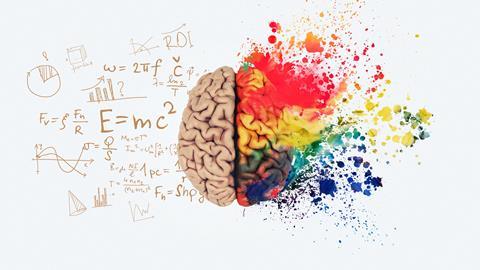
In a society where access to information is near-limitless, complex conditions such as Autism, Attention Deficit Disorder (ADHD) and Obessive Compulsive Disorder (OCD) are often summarised in 60-second social media clips, with symptoms presented as definitive diagnoses. But is it truly possible to understand the enormity of neurodivergency in such a way? And are we doing enough offline to ensure that people with neurodivergence are properly accommodated - particularly in church?
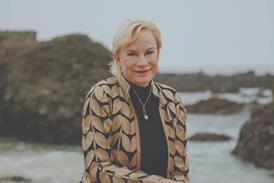
Sophie Killingley addresses these questions and more in Blessed are the Neurodivergent – a thoughtful and engaging look at the intricate world of neurodiversity. Killingley draws on her own experience of ADHD, being a pastor’s wife and the mother of two autistic children, to provide a thorough insight into the reality of many individuals and families. Both a memoir and a guide for Christians, church leaders, parents of neurodivergent children and those who have been recently diagnosed, the book urges us to reconsider how we think about neurodiversity.
Made in God’s image
Killingley makes it clear that neurodivergence isn’t something to be fixed or healed. Rather, it’s a difference in brain function that cannot be changed: “It’s a neurotype that covers both difference and disability.” The book emphasises that a neurodivergent person will experience life differently to someone who is neurotypical. This includes small tasks that may appear easy to some, but extremely challenging for neurodivergent families. She places many of these examples within the home and Church, using her personal experience, as well as the experiences of others, to fully realise the weight that some carry throughout life.
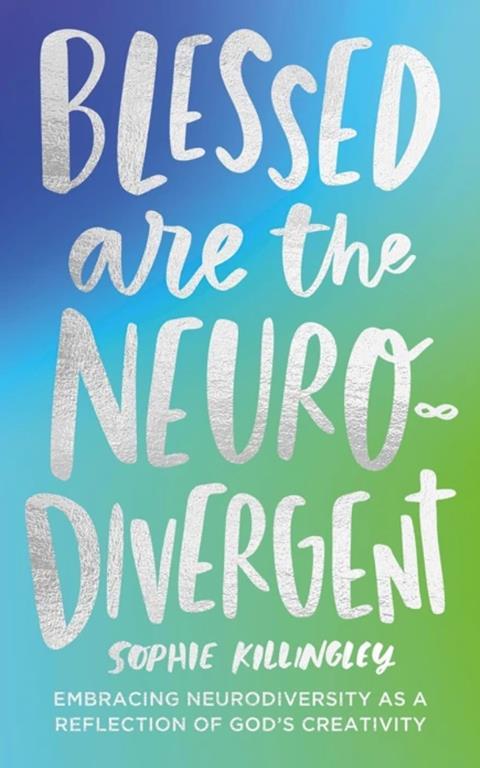
The first half of the book tackles common misconceptions and stereotypes, as well as giving a first look into Killingley’s life within a neurodiverse family. Here, a solid foundation of knowledge is established, explaining important terms and messages that are key for the rest of the book.
The second half is more theological, exploring biblical viewpoints on disability and neurodivergence in the context of a Fallen world.
One body
Finally, Killingley argues that the Church needs to work as a whole body in order to function properly, showing how the neurodivergent mind may process biblical information and church practices differently. She also explores how church culture can hinder inclusion for congregation members who are neurodiverse; a challenging but necessary discussion for the Church.
The author’s use of personal experience lies at the heart of Blessed are the Neurodivergent. As a mother of both an autistic boy and girl, she illustrates how neurodiversity can present differently across gender and age lines, impacting how symptoms are recognised and diagnosed. Other experiences are spotlighted through a study of more than 300 people who have a neurodivergent family member, or are living with a condition.
Are we doing enough to ensure that people with neurodivergence are properly accommodated in church?
Beyond personal experience, Killingley uses scripture to depict how Jesus saw marginalised and minority groups as a vital part of the Christian community. This encouragement to churches to reflect this same level of inclusion is both powerful and relevant.
While the exploration of neurodivergence in children and teens was insightful, a deeper insight into adults’ experience would have been a welcome addition, particularly in a church setting. Nevertheless, Blessed are the Neurodivergent is a comprehensive and thought-provoking read, suitable for anyone with an open mind and heart, willing to learn and adapt.



















No comments yet