





Revival statistics can’t tell you everything
By  Dr Claire Williams2026-07-30T09:39:00

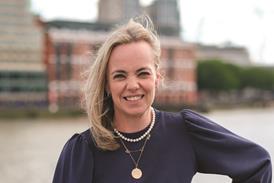
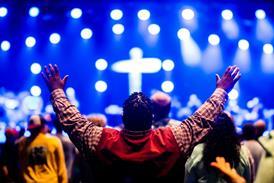
As excitement continues over reports of church renewal, we mustn’t overlook the quieter, slower and less dramatic journeys to faith that rarely make the headlines, says Dr Claire Williams
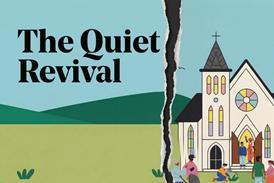
Stories of growing church numbers continue to make news in the Christian press. The authors of the now withdrawn Quiet Revival report could not surely have foreseen the…
Related articles
-
 Opinion
The Church in Britain is growing – and not only in places we can count
As Church of England attendance rises for the fifth year in a row, Michael Tang argues that the story of renewal is bigger than statistics. From online theology classes and café conversations to WhatsApp Bible studies, much of Britain’s spiritual hunger is revealing itself outside of Sunday morning church
-
 Opinion
Don’t be deceived: Danny Tomo’s Patriot Platform does not represent Christ
It isn’t racist to ask hard questions of our government about immigration policy. But when we consider what form our social action should take, let’s use the Bible to ask hard questions of ourselves, says Dr Krish Kandiah. Taking to the streets in balaclavas and using violence isn’t what Jesus would do
-
 Real Life
‘I used social media to invite people to be baptised. 170 people turned up from across the UK’
When Merlin Kraft posted a video of a baptism he had attended on his social media channel, he wasn’t prepared for the reaction it would get. As people started asking if they could get baptised too, he knew he had to respond. Here’s what happened next
More from Opinion
-
 Opinion
Why Prince William should forgive Harry – even if they never reconcile
Rabbi Jonathan Romain has advised Prince William against offering the hand of peace to his brother. The Rabbi suggested it was “cosier” to be “wrapped in a blanket of anger and victimhood.” But, drawing on painful experience in her own family, Premier Christianity’s deputy editor Emma Fowle argues that Christian forgiveness does not require reconciliation – and that holding onto bitterness ultimately harms us more than those who have hurt us
-
 Opinion
Should Christians sing “Buddha is dead and Allah is silent”?
A new song is proclaiming that Buddha, Muhammad and Allah are ‘dead idols’. Worship leader Richard James Butt considers whether it’s appropriate to sing on a Sunday morning
-
 Opinion
The Christian faith of Mr T
The star of The A-Team and Rocky III is less than impressed with the new Netflix documentary made about his life. Why the focus on his hard-man screen persona and not his long-standing belief in Jesus? Tim Bechervaise takes a look at the man behind the myth
- Issues
- Topics A-Z
- Writers A-Z
- © 2026 Premier Christianity














Site powered by Webvision Cloud