






The latest season of American Idol had no less than five Christian contestants - and the three finalists all sang worship songs on national TV. Sophie Sanders asks whether the same could ever happen on British TV, and what Christians can learn from the boldness of their US cousins
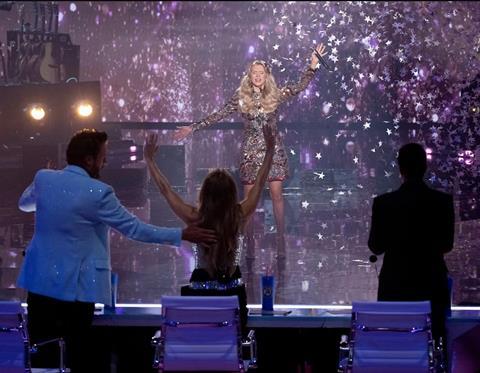
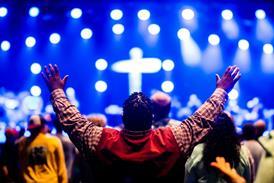
With tears pouring down her face, star confetti falling from the sky and fellow contestants raising their arms in worship, Hannah Harper emerged victorious in Season 24 of US talent show American Idol. Her heartfelt rendition of ‘At the cross’ by Chris Tomlin – who later gave her a shout-out on his Facebook page – was a beautiful testament to her personal faith in God.
But Harper wasn’t the only contestant to point to Jesus. The two runners-up, Jordan McCullough and Keyla Richardson, also performed worship anthems and powerfully shared their personal testimonies on national television from the start.
The latest series of American Idol is emblematic of the shift that’s happening in Western culture
A quick audit of broadcast talent contests suggests there’s significant precedent for this in America. No less than five contestants from season 24 publicly shared their Christian faith. In previous seasons of American Idol, two notable winners have also been Christians: Carrie Underwood (2005) and Jordin Sparks (2007).
Or take the American version of The Voice, famous for its blind audition format and iconic swivel chairs. Throughout its history, there have been winners whose faith journeys are part of their back stories, like Jordan Smith (2015), whose covers of ‘Mary, did you know’ and ‘Great is thy faithfulness’ topped worship charts, and Chris Blue (2017), who was an ordained minister and worship leader prior to his victory on the reality show.
Across the pond
This seems worlds away from reality music competitions aired on this side of the Atlantic. Take The X Factor, a guilty pleasure of my teenage years, enjoyed in my PJs and with a sizeable helping of homemade pavlova. The closest thing to a worship song was Alexandra Burke’s cover of ‘Hallelujah’, which topped the UK Christmas charts in 2008. Yes, there were biblical characters in the lyrics and plenty of gospel-style gusto in the performance but, fundamentally, Leonard Cohen’s song questions whether there is “a God above”.
It’s not that we haven’t had champions with faith in the UK - like Blessing Annatoria Chitapa (2020) or Anthonia Edwards (2022), who both came out on top in The Voice – but they’ve typically performed secular songs to take the competition crown.
A surface-level analysis might suggest that prime-time US audiences are more receptive to contestants who speak (and sing) openly of their faiths and ministries. That they’re more fluent in Christianese; able to decode discussions of “seasons”, “giving glory to God” and scripture references woven into interviews by winners such as Harper.
But, in my opinion, this is too simplistic. Instead, I think, hope, and pray that the latest series of American Idol is emblematic of the shift that’s happening in Western culture. A growing openness to, and acceptance of, young people’s supernatural experiences and faith stories.
Amazingly, that’s something that is happening on both sides of the pond. Last year, Barna documented a 12-point rise in the percentage of US adults who said that they had “made a personal commitment to Jesus and that it was still important in their life today”.
And while claims of a “quiet revival” heralded by Bible Society have now been withdrawn, several commentators are drawing attention to an increasing spiritual curiosity among the emerging generations in the UK.
Reality faith
This is something that has been reflected in other recent reality TV contests, with Richard Storry triumphing on Big Brother and Jasmine Mitchell being crowned The Great British Bake-Off champion in 2025.
For those of us without chart-topping voices, I think contestants like Harper pose an aspirational challenge to speak out about our faith. To share our stories and testify to the goodness of God in all things, even if it doesn’t seem like a space where people will be receptive to Jesus.
Because, as the 19th evangelist Dwight Moody once said: “Your life may be the only Bible some person ever reads”.
Our whole lives can be a worship anthem of American Idol proportions. So, as we fight the urge to cherry-pick what we share and, instead, unashamedly speak about the Lord God, we can be sparks that fan the flame of curiosity and openness to faith in those around us.
Let’s pray that, as we authentically live for Jesus, the persuasive evidence of our transformed lives will unlock hope in others.





















No comments yet