




How should Christians think about Israel?
By  Rev Dr Robert Jaggs-Fowler2026-03-31T12:13:00
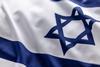
As the conflict in the Middle East continues to dominate headlines, a new book by Professor Emeritus Dr Michael Rydelnik considers how Christians should think about Israel and the Jewish people today
Ever since the modern state of Israel was formed in May 1948, following the end of the British mandate in Palestine, Israel has not been far from news headlines.
The Hamas attack on Israel in October 2023, the subsequent Israeli retaliation in Gaza, the high-profile involvement of the President of the US in respect to these conflicts, the current US-led attack on Iran (along with Iran’s retaliation against Israel, and Israel’s subsequent assault on Lebanon), as well as reports of growing antisemitism in Western Europe, have all served to raise the topics of Israel and Jewish people in people’s minds, both politically and culturally.
However, having reached that level of awareness, how should people respond to the issues raised? More specifically, how should Christian people think and respond to such matters?
That is the question asked by the author, Dr Michael Rydelnik in his timely and aptly named new book How Should Christians Think About Israel?: A Quick Guide to God’s Covenants, Biblical Prophecy, and the Jewish People (Moody Publishers). Dr Rydelnik is well placed to write about such matters, being a Professor Emeritus of Jewish Studies at the Moody Bible Institute, as well as being a Messianic Jew (more of which, later).
Related articles
-
 Opinion
Most UK evangelicals hold unbiblical views on sin and salvation
61% of UK evangelicals believe most people are good by nature, according to a new survey. Dr Samuel Tunnicliffe warns that such beliefs risk emptying the gospel of its true power
-
 Reviews
Christians must respond to witchcraft and New Age spirituality. This booklet will help
As occult practices surge among young people and New Age spiritualities move into the mainstream, the Evangelical Alliance has published a much-needed guide to help Christians understand, engage with, and minister to those immersed in witchcraft, says former New Ager, Laura Maxwell
-
 Reviews
This outstanding book on cancer finds God in the darkest places
Can a cancer diagnosis ever be considered a vocation? Anglican priest Rev Lisa Barnett thinks so. Her deeply personal and moving account of faith, suffering and calling is a must-read, says our reviewer
More from Reviews
-
 Reviews
This Christian book on near-death experiences fails to live up to its promises
Michael Zigarelli presents near-death experiences as compelling evidence for an afterlife. But an overreliance on anecdotes, unanswered sceptical objections and an uncertain link to Christianity leave his case less convincing than the title promises, says our reviewer
-
 Reviews
If Oasis don’t look back in anger, neither should we
The new documentary about rock and roll’s warring brothers is not a tour movie, but a moving tale of reconciliation, says Martin Saunders - with a surprising cameo from their local priest. If Noel and Liam can forgive, there’s hope for us all
-
 Reviews
Why Trinity Church Nottingham’s new track is our song of the month
‘Let our worship be pure’ grew from a desire to live on Monday what we sing about on Sunday, says our music editor
- Issues
- Topics A-Z
- Writers A-Z
- © 2026 Premier Christianity













Site powered by Webvision Cloud