


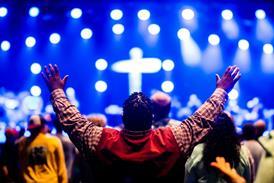




Society’s perception of Christianity has undergone a dramatic change for good over the past 20 years. But there are risks that accompany the vibe shift, says Chine McDonald
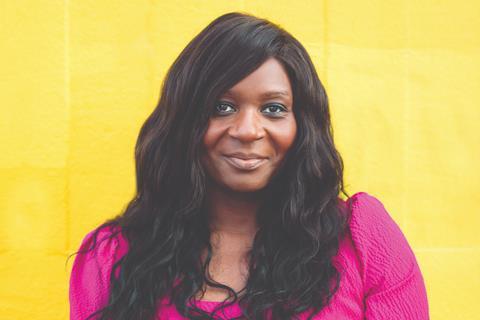
The first thing I see when I walk into the Theos office is a framed 2006 article from The Guardian by Martin Newland, headlined: “Why Theos will fail”. After months of planning the launch, I’m sure this wasn’t the vote of confidence that the founders of this new Christian thinktank were hoping for.
Newland’s prophecy was fitting for a culture that had largely decided faith was irrelevant, dangerous and had no place in public life. He said Theos “hadn’t got a prayer” and, considering the dominant narrative of religious decline being touted by the New Atheists, it was a punchy move to launch Theos when they did. Yet, 20 years on, we are still here – and thriving.
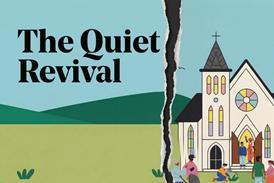
As we mark our anniversary, I have been reflecting on the changing public perception of Christianity since the early 2000s. Since becoming director of Theos four years ago, the cultural mood has shifted in ways few of us would have predicted. The assumption that religion would fade from relevance has not held. Instead, we find ourselves in a more complex and unsettled moment; one marked not by certainty, but by searching.
While some may dispute whether there is a spiritual renewal taking place, very few can dispute the “vibe shift” that’s been happening post-Covid. No one can seriously say that religion is becoming less important - for good or ill - when you look at the US evangelicals backing Trump, Tommy Robinson’s Christian nationalism, the debate about religious voices in assisted dying legislation, or whether or not Muslims should be allowed to pray in public.
The Christian story has never been one of cultural triumph
Over the past two decades, the financial crash, austerity, political instability and a global pandemic have raised deep questions about the kind of society we are and want to be. Advances in technology and AI have forced us to confront fundamental questions about what it means to be human. In this context, the questions faith traditions have long grappled with – about meaning, purpose, dignity and the common good – are being discussed by public intellectuals, journalists and influencers. Young people are talking about how they’ve found God on TikTok and Instagram.
Many Christians welcome this shift. After years of feeling marginalised or dismissed, there is a sense that the tide is turning. Faith is no longer excluded from public conversation; in some quarters, it is being actively sought out.
If I’m being honest, I like the feeling of being on the right ‘side’ – part of the cool kids’ club. The temptation is to see this as vindication: proof that we were right all along.
But this moment also carries a risk, that it might make us too reliant on the assumption people will continue to stream towards us at times of existential crisis. Our faith starts to look more ‘useful’ in times like these. But history has been marked by moments of renewal, revival and also of decline for the Church.
The Christian story has never been one of cultural triumph. At its heart is a crucified Christ, who suffers and whom people turn against. The New Testament offers repeated warnings about the seduction of power, status and self-justification.
Theos was founded on the conviction that the gospel is good news for the whole of society, not just for individuals. That conviction remains. But to contribute well to public life is not to dominate it. It’s to offer something distinctive: a vision of human flourishing rooted in the dignity of every person, a commitment to the common good and faith that comes through the saving grace of Jesus Christ.
























No comments yet