


More than 200 young Christians recently gathered on the UK’s south coast to wrestle with some of the Church’s most difficult theological and political questions about Israel and the Middle East. One of the event’s organisers, Chip Kendall, explains what happened and why he believes the weekend could prove to be a turning point
I’ve spent the last 26 years speaking in churches, schools and festivals across the UK. I’ve watched trends come and go. I’ve seen movements burst onto the scene with great enthusiasm before quietly fading away. Ministry teaches you to be careful with grand claims. But I think I witnessed something extraordinary this summer.
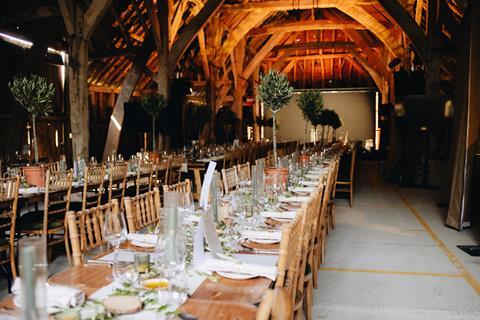
It didn’t happen in a cathedral, a megachurch or a conference centre. It happened in a barn.
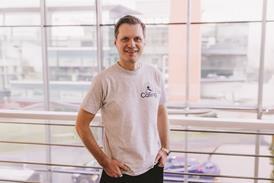
Tucked away in the Sussex countryside, around 200 people gathered for an invitation-only, 24-hour conference called 12 Tribes.

Many of those gathered were Gen Z - the next generation of Christian leaders, creatives and influencers. A handful had grey hair. They came from different churches, different theological traditions and different walks of life, united by a simple desire to better understand one of the most misunderstood subjects facing the Church today: How should we as Christians respond to what is happening in Israel and the wider Middle East?
If I’m honest, I wasn’t entirely sure what to expect. Conversations about Israel have become increasingly polarised. Social media rewards certainty over curiosity. Complex history is compressed into 30 second videos. Nuance disappears. People are encouraged to pick a side long before they’ve taken the time to understand the story.
But what unfolded over those 24 hours was something altogether different. The conference began not with a debate, but with a Shabbat meal.
As bread was broken, wine was shared and ancient Jewish blessings were spoken, many in the room experienced these traditions for the very first time. For Christians whose faith is rooted in the story of Israel, it felt less like discovering something new and more like rediscovering something that had been forgotten.
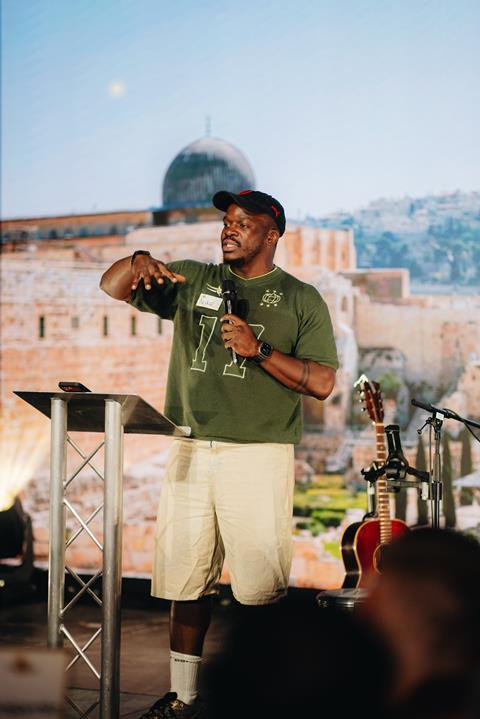
Over the next day, delegates heard from an extraordinary breadth of voices. Messianic Jewish leaders. Arab Christian leaders. Palestinian Christians. Lawyers. Biblical scholars. Worship leaders. Historians. Teachers. Together they explored subjects that many churches quietly avoid because they feel too difficult or too controversial: Romans 11, the Jewish roots of our faith, God’s covenant with Israel, the relationship between Jews, Arabs and Gentiles, modern antisemitism, reconciliation, justice and peace.
One teaching that was particularly impactful came from a Palestinian pastor who has been involved in discipleship across the West Bank and Gaza for more than 30 years. He explained that he had come to realise he must carry God’s heart for both Jews and Arabs, otherwise “you will love one and hate the other.” Only by embracing God’s unconditional love for both peoples, he said, can we truly begin to understand His heart for the region and its people.
What struck me wasn’t that everyone agreed on every point. It was that they stayed in the room. They listened. They asked thoughtful questions. They opened their Bibles. They refused to reduce one another to caricatures.
Perhaps the most moving session of the conference was the panel discussion. Here were respected experts from different backgrounds sitting side by side, responding to difficult questions submitted by delegates. There was no shouting. No point-scoring. No culture-war theatre. Just a genuine desire to wrestle honestly with scripture, history and lived experience. In a world that often rewards outrage, this room rewarded understanding.
They listened. They asked thoughtful questions. They opened their Bibles. They refused to reduce one another to caricatures
Afterwards, one delegate told me, “I’ve left feeling challenged and stirred to pray for Israel more than ever.” Another simply described the weekend as “an immense breakthrough.” But then there were the moments no programme could ever have planned.
Before anyone had even arrived, the worship band were running through their soundcheck. A handful of us found ourselves dancing at the front of the barn. As I looked across towards a giant open door of the barn, I had a strong sense in my spirit that the Lord was saying, “I am opening a door today that no one can shut.”
I quietly tucked the thought away.
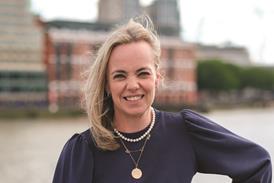
Moments later, Harry and Pip Goring, who had so generously opened Wiston Estate to us, welcomed everyone to their home. Then Pip shared what she believed God had placed on her heart. It was a picture of an open door.
I don’t mind admitting I was beside myself.
Throughout the conference there were moments like that - gentle reminders that perhaps the Lord was doing something deeper than any of us could fully see.
One final conversation has stayed with me ever since. I was chatting with one of our wonderful team members, Jess, about why so many Christians find the subject of Israel difficult to approach. We spoke about the walls that often stand in people’s way: history, politics, theology, fear of saying the wrong thing, fear of being misunderstood.
She paused for a moment and then said something I’ll never forget.
“It’s important that we climb the wall… because behind the wall there’s a well.”
I haven’t stopped thinking about those words. The climb isn’t easy. It requires humility. Patience. Listening. Sometimes even admitting we’ve been wrong. But on the other side is something worth finding. A well. A place of refreshing. A place of sustenance and provision. A place of genuine life giving relationships.
As I drove home, I couldn’t shake the feeling that perhaps that’s exactly what had happened over those 24 hours. Not everyone left with every answer. But many left having discovered the well.
As someone who has spent more than two decades travelling the UK in ministry, I don’t say this lightly. But, I genuinely believe our time in that Sussex barn may prove to be one of the most significant moments I’ve witnessed in my years of ministry. Not because a conference will change the Church. But because I saw a generation who weren’t interested in slogans. They weren’t looking for a side to join. They were looking for a story to belong to. They wanted the courage to ask difficult questions instead of settling for easy answers.
I saw a generation who weren’t interested in slogans. They weren’t looking for a side to join. They were looking for a story to belong to
One of the main themes that emerged is that we have a responsibility to ‘Replace Replacement’, to help British Christians rediscover the Jewish roots of their faith and create space for thoughtful, biblical conversations about Israel, the Church and God’s covenant purposes as a way of combatting replacement theology - the idea that the Church has replaced Israel.
If what began in a Sussex barn is any indication, there is a growing hunger among young Christians to move beyond the headlines and rediscover the story of the Bible for themselves. Perhaps that’s what encouraged me most. Nobody left pretending every question had been answered. But hundreds of young Christians left determined to keep asking better ones.
And perhaps, in an age of algorithms, outrage and slogans, that’s exactly where renewal begins.
For more information see 12Tribes.media or follow @12tribes.media. All of the talks are also available to watch now on YouTube


















1 Reader's comment