
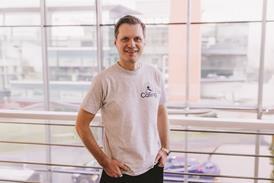
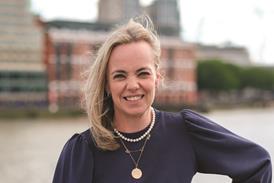



Last week, the UK government announced sanctions in response to illegal Jewish settlements in West Bank. Matt Adcock visited the Holy Land and spoke to three Palestinian Christians about the challenges they face and their hopes for the future
For Palestinian Christians living in the West Bank, international announcements are measured against a painfully practical question: Will this make our daily lives any easier?
Last week, I visited the West Bank and, while I was there, I spoke to three Christians who have been directly affected by unemployment, water shortages and settler intimidation. Each welcomed the UK Government’s announcement of new measures targeting trade with Israeli settlements, but their responses mixed cautious hope with anxiety about what might happen next.
Last week, the UK announced plans to ban imports from Israeli settlements in the occupied Palestinian territories and restrict services that support settlement expansion. Sanctions will target companies and individuals involved in construction, infrastructure, finance and real estate. The measures are intended to come into force within six to nine months and will distinguish between settlements and businesses operating within Israel’s pre-1967 borders.
Work
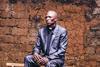
In Ramallah, Nabil*, an older Christian man, has been unable to work since Israel revoked permits allowing Palestinians to cross into Israel for employment.
“I have worked all my life,” he told me. “I do not want charity. I want the chance to earn money and look after my family. When the permits were stopped, everything stopped with them.”
It is not normal to plan every journey around whether the roads will be open or if you will be stopped
Nabil cautiously welcomed the British announcement because he believes it could encourage more people outside the region to recognise how settlement expansion affects Palestinian communities.
“Perhaps Christians in Britain will begin to understand that settlements are not something happening far away from us. They affect our roads, our work, our land and whether our children can imagine a future here.”
He hopes other countries will follow the UK’s example, creating sustained international pressure. But he is not expecting an immediate transformation.
“I am pleased that Britain has taken this step, but tomorrow morning I will still wake up without work. My permit will still be gone. One country announcing sanctions will not change anything quickly. It may be the beginning of something, but we have heard many announcements before. We are waiting to see action.”
Water
In Beit Jala, near Bethlehem, Mariam* lives with her son and daughter. After a career in the social affairs department, she now survives on a pension of approximately 1,000 Israeli shekels (£250) a month.
Mariam’s water supply is regularly cut off. The longest interruption lasted 40 days. Friends of the Holy Land helped install a water tank at their house, giving the family some protection when the taps run dry.
Her reaction to the sanctions was more apprehensive. She understands why other Palestinians welcome international pressure but fears ordinary families could face repercussions if the measures cause serious difficulty for settlers.
Perhaps Christians in Britain will begin to understand that settlements are not something happening far away
“We are the people who live here, so we experience the response,” she said. “Governments make decisions far away, but if there is anger afterwards, it is our roads that may be closed and our communities that may suffer.”
Water is never an abstract political issue for her. It determines whether the family can wash, cook and maintain their home.
“When the water stops, you do not know if it will return tomorrow, next week or next month. The tank helps us enormously, but we still have to ration every drop. I hope the British decision will lead to something better, but I am also afraid. Palestinian Christians are a small community. We do not want to pay the price for decisions over which we have no control.”
Study
Lina* is a Christian student at Bethlehem University and offered a younger and more hopeful response. She travels from Taybeh and says journeys to and from university can involve delays, harassment and intimidating encounters with settlers.
“I welcome what the UK has announced because silence makes people believe that what is happening is normal,” she said. “It is not normal to plan every journey around whether the roads will be open or if you will be stopped.”
“I want to complete my education and build my life here, but I may have to leave. I enjoy my lectures, exams and am planning my future. The sanctions won’t change my situation, but they tell us that somebody has at least seen what is happening.”
Strength to stand
These three voices do not represent every Palestinian Christian. They do, however, reveal the complex mixture of hope, exhaustion and fear behind reactions to the UK announcement.
For Friends of the Holy Land, the task remains unchanged: helping Christian families withstand the pressures threatening their ability to remain in the land of their birth. Political announcements will be debated internationally. In Ramallah, Beit Jala and Taybeh, their value will, ultimately, be judged on whether international pressure can help people work, travel, access water and live without fear - and so remain as a Christian witness for us all.
*These are the personal views of three people I met, shared under pseudonyms for their protection. Friends of the Holy Land is a non-political Christian charity and does not endorse any individual political position














No comments yet