












The Restore Party has been inaugurated with a pledge to keep Britain Christian at the centre of its mission, but with abortion rates high, porn culture thriving, and the meaning of marriage being diminished, Lois McLatchie-Miller questions whether Britain is currently Christian in anything other than name
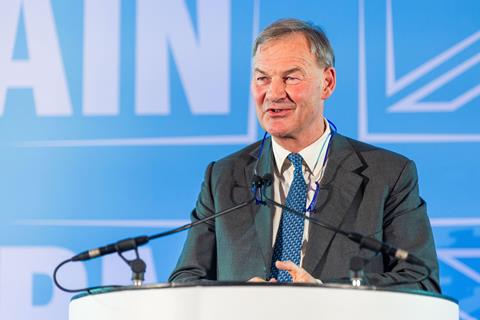
When MP Rupert Lowe launched the new ‘Restore Party’ on the British right this week, he did so with a bold declaration on X: “Britain is a Christian country, and under a Restore Britain Government – it will remain a Christian country.”
Britain is a Christian country, and under a Restore Britain Government - it will remain a Christian country.
— Rupert Lowe MP (@RupertLowe10) February 14, 2026
In an age when even mild expressions of national identity can trigger controversy, invoking Christianity as Britain’s defining character is political dynamite.
But beyond the rhetoric lies a harder question: Is Britain really, meaningfully, a “Christian country”?
The constitutional answer is straightforward. Britain retains an established church. Bishops sit in the House of Lords. The monarch swears a coronation oath before God to uphold the Protestant faith. Our legal system, calendar and civic institutions are steeped in centuries of Christian influence.
Yet culturally, the picture looks very different.
Culturally conflicted
According to the 2021 Census, just 46% of people in England and Wales now identify as Christian – down from 59% in 2011. For the first time in recorded history, fewer than half of the population call themselves Christian. More than a third say they have no religion at all.
Even more sobering is church attendance. While millions still tick “Christian” on a census form, weekly worshippers represent a small minority. In many towns and villages, once-thriving parish churches now sit sparsely populated. Some have closed entirely, even sold off to become restaurants or nightclubs, or places of worship for rival faiths.
The moral landscape has shifted too. One out of three babies is now aborted. Sex outside of marriage has become the norm. Porn culture has soared. The meaning of marriage has been degraded through no-fault divorce; the institution altered from its intended purpose to be applicable for any two people, regardless of gender. Our most vulnerable citizens – children – are disadvantaged for the sake of convenience and adult desire.
Even if Britain never welcomed a single immigrant of another faith, our own reckless ideology has internally battered our Christian moral compass
Within this culture detached from Christian teaching, many believers feel increasingly marginalised. Public debates about sexuality and gender often frame traditional Christian convictions as “bigoted”. Street preachers are arrested for reading from the Bible. Pro-life individuals are successfully prosecuted as criminals for silently praying near abortion facilities.
For Christians, the rhetoric of being a “Christian country” feels detached from their lived experience.
And yet – the story is not one of simple death. God has never been known to stay in the grave for long.
In 2025, research from the Bible Society found that monthly church attendance had risen from 8% of the population in 2018 to 12% in 2024. Most striking was the generational breakdown. Among 18-24 year-olds, regular attendance reportedly rose from around 4% in 2018 to 16% in 2024. Young men in particular showed significant growth.
Bible sales have also risen in recent years, particularly among younger buyers. In the past year – particularly since the death of Christian leader Charlie Kirk – online platforms are full of testimonies from young Christians exploring liturgy, doctrine and apologetics with seriousness.
It seems that in 2026, decline and renewal can coexist. Institutional Christianity may be shrinking, while pockets of vibrant, committed faith grow stronger.
What does real restoration look like?
So where does that leave the Restore Party’s mission to “keep Britain Christian”?
It must start with a recognition that, right now, Britain is nowhere near “Christian”.
Faith is not just a historic tradition – and individuals do not qualify as “Christians” just by being of English heritage. Christians are followers of Christ. They have repented of sin, taken up their cross, and given the rest of their lives to praising God, living according to his word, and making his name known.
Where Christian rhetoric has risen as a national identity for the purpose of “othering” Islam, we must internally reflect on why Islam has made such inroads in our nation. A widespread abandonment of the Church and Christian principles, exacerbated by the New Atheist movement, left a religious vacuum waiting to be filled.
Man will always worship something – if not God, then Allah; or perhaps himself. Being “not Muslim” does not make our country Christian. Neither will simply deporting Muslim immigrants. Restore will have to grapple with the fact that even if Britain had never welcomed a single immigrant of another faith, our own reckless ideology has internally battered our Christian moral compass – to the detriment of society.
If Britain is to be Christian in more than name, it will require Christians in Britain who live – visibly, joyfully, persuasively – as followers of Christ.
Restore can help bring us there by committing to an agenda that will allow Christians to speak freely, will honour the most vulnerable when it comes to matters of life and death, and will honour marriage and families and allow them to flourish. We await their next move.
























4 Readers' comments