









Prince William recently called suicide rates among men in the UK a “national catastrophe”. While raising awareness is vital, Jay Lowder argues that lasting transformation requires something deeper: a faith that offers genuine hope and purpose in our darkest moments
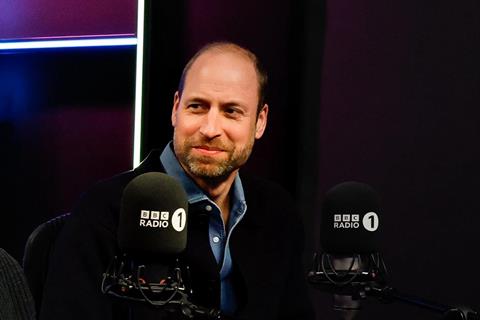
In a recent interview with BBC Radio 1’s Life Hacks, Prince William called suicide rates for men in the UK a “national catastrophe.” He shared in the panel discussion how he has learned to understand his own emotions, as well as how strong male role models in the life of someone facing suicidal thoughts can make all the difference.
Prince William is right to raise awareness of suicide and the importance of male role models, but I know from experience that these solutions aren’t enough on their own.
We need deeper change that starts in our hearts and souls. We need a saviour, one that can give us real hope and make a lasting change in our lives.
The Crisis at Hand
Suicide was the leading cause of death in England and Wales for young people aged 20 to 34 in 2024, according to data from the Office for National Statistics. That outranks deaths by accidents, illness and violence.
The crisis is clear, but the solution is far more complicated. There is not a one-size-fits-all fix for mental health issues.
Feelings of loneliness and depression stem from many different places. It is often not as simple as trying to push through suicidal thoughts and magically waking up the next day feeling different. Suicide awareness can open the door for more honest conversations, but that is merely the first step in a long road to healing.
We need more people who have walked out of crisis and come out transformed by the Lord to share their stories.
No one is immune to these emotions. I know firsthand what it is like to feel hopeless and out of control of my own life. When I was 21 years old, I found myself depressed with no job, no car and no girlfriend. I felt that I had nothing left to live for and that suicide was the only way out. But God had other plans for me.
The Turning Point
Sitting alone on the sofa, I had a gun raised to my head ready to end my life. But in a moment that was pure divine intervention, I stopped when I heard my roommate pulling into the driveway. His coming home early from work ended up saving and forever altering my life.
That moment led me down a path of realisation and redemption. It raised questions for me about what was really the root of all my pain and despair. I started asking myself not only who I was, but who God was.
I learned that the things of this world would not ultimately bring me joy or save me from my hurt. God was the answer to a question I had been asking my whole life and the solution I had so desperately craved.
One of the biggest things that saved me from suicide was finding new purpose in my walk with Jesus. As children of God, we need to share this message of hope and be disciples to the brokenhearted. In seasons of hurt, faith is a reminder that you are cherished and loved and have a purpose in this life.
After my failed suicide attempt, I was blessed to find true hope and meaning in a relationship with the Lord. I now have hope in abundance because I finally know the purpose of my life and have ultimately had satisfaction and fulfillment because of my identity in Christ.
For someone struggling with suicidal thoughts, hope is extremely powerful. It is a beacon of light that cuts through the darkest of nights and deepest feelings of despair. I want nothing more than to give people that same hope that I was able to find in Christ.
Showing Support
I can almost guarantee someone in your life is dealing with suicidal tendencies. It may not be obvious, but if you look close enough, the signs are there. Withdrawal, mood swings or substance abuse are all typical indicators of deeper issues.
Those going through these symptoms are often isolated. They need not only medical and professional help, but someone to show up and show that they care. Reaching out and showing support gives them a community to lean on.
Having that solid support system can help them begin to pinpoint their pain. And it is when they are able to recognise their own hurt that they can also begin to recognise their need for a saviour.
We need radical change in the UK. We need a mental health recovery approach informed by faith. We need more people who have walked out of crisis and come out transformed by the Lord to share their stories.
We need people to know that true healing comes from salvation and knowledge of a God who never changes. Christ is our greatest hope, greatest support and the greatest light we have to guide us through our greatest moments of pain.
Read Jay Lowder’s story in full here
If you or someone you know is struggling with suicidal thoughts, you can reach out to the National Suicide Prevention Helpline UK at 0800 587 0800





















1 Reader's comment