


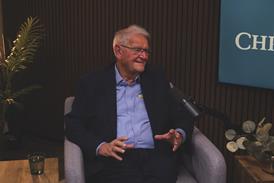









Christian apologetics has escaped the academy – and entered bro culture. Andy Kind says Logan Paul’s surprisingly serious debate with Christian influencer Bryce Crawford is further evidence of a renewed spiritual curiosity among young men
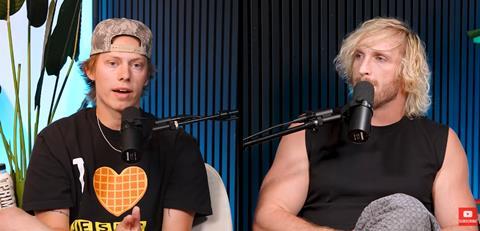
Here we are again: renowned young men talking at length about God in front of millions of viewers.
Logan Paul is an American influencer, professional wrestler and entrepreneur with over 23 million subscribers on his YouTube channel. He has ranked on the Forbes list for the highest-paid YouTube creators three times in the last decade. Following the likes of Joe Rogan and Steven Bartlett inviting influential Christians onto their podcasts, Paul follows suit here by hosting Bryce Crawford - one of the fastest growing faith-based online influencers. What that amounts to is a fascinating example of what we might lovingly call ‘trailer park apologetics’.
The dialogue isn’t as cogent or as edifying as we saw from Wes Huff or John Lennox, but that really isn’t the point. While that ‘bro culture’ lingo might initially grate on the ears of a middle-aged Englishman like me, what’s astonishing is the fact that self-confessed blue-collar young men (Logan calls himself a ‘redneck’ at one point) are having the same genre and format of conversation about God that used to be solely reserved for the academy. And what becomes abundantly clear is that the show hosts are genuinely interested, even-handed and thoughtful on the topic of the divine. Like so many of these recent events, there is no trace of cynicism, no sneering. When they disagree on something they do so without discarding or discrediting their interlocutor.
Truth
There’s a fascinating point when they start talking about the relativity of truth – an ideology that was all the rage back in my day. All three of them seem confused as to how ‘my truth’ and ‘your truth’, in the case where they disagree, could possibly be equally true. They are the young child calling out to Generation X that the emperor has no clothes on. It made me smile, I confess. No sign here of the contemplative spirituality found in the previous zeitgeist’s neo-paganism.
Christianity continues to be remagnetised as an alternative spirituality to the God of Self-Love
As for Bryce Crawford, he’s 22 and sometimes acts it. He says his biggest sin at the moment is ‘cheesing cars’ – a game whereby one throws slices of American burger cheese at cars, the glutinous nature of the cheese giving it a natural adhesiveness like a sticky bomb. This comes right at the start of the interview, but that acknowledgement of boyish pranking is very soon supplanted by a confident and well-read persona of which many Christian apologists would be proud. He often gives pat answers, but he gives them well. And it’s in this mimetic regurgitating that his youthfulness really shows. At 22 he’s seen some things, but he hasn’t had chance to feel deeply on some of the subjects discussed. The best speakers talk with wisdom that comes from personal insight – they don’t simply repeat memorised slogans. This is not a criticism of Crawford, since time is the only mentor for that absence of insight – and in fairness he seems like an early bloomer: keen to learn, to engage, to grow.
An example of this comes when the hosts raise the subject of homosexuality. Crawford talks about people “struggling with homosexuality”, at which, with whip-sharp speed, Logan Paul points out that most people don’t claim to “struggle with it, bro”. Crawford rephrases it to struggling with sexual sin, but this is where he looks like a mouthpiece for reformed theology rather than an independent thinker. In any debate, you don’t win friends or arguments by patronising your opponent’s view of themselves. Nevertheless, he holds his course and manages to offer some powerful rhetoric, such as “Jesus doesn’t affirm our lifestyles – he calls us out of them.” This acts as a mic-drop zinger which largely placates his interviewers.
The power of story
When sharing about his own testimony, Crawford is much more engaging. He reflects on the time God prevented him from taking his own life, and remembers saying, “Maybe I don’t know that God loves me, because I haven’t given myself a chance to love him back.” This feels much more like the sort of personal insight that really wins people. Certainly, his tale of choosing Jesus over suicide is a powerful one, and six years later he looks the real deal.
And this is the point, really. As ‘influencers’, none of these young men are going to reach someone like me. But nor are they trying to. For young adults – particularly young adult men – to see humility, openness and engaging testimony on show is a remarkable thing. I would rather see someone approach a conversation with memorised scriptures and soundbites than watch them shrug and say, “Who knows?”. Logan Paul cites Christian hypocrisy as a barrier to faith, but he doesn’t seem unwilling to climb that barrier because of it.
Whether people are converted to Christ through these podcasts or not, Christianity continues to be remagnetised as an alternative spirituality to the God of Self-Love. And it’s the gentle, amenable approach to these conversations that must model for all of us a way of disagreeing without disliking.
“Gen Z is the most depressed generation in human history”, says Bryce Crawford. “If all the self-help books worked, surely we would have the cure.” While I am convinced that for some of these influencers, and for their viewers, Jesus is simply part of the ongoing customisation of their lives, the truth, like American cheese, tends to stick.

























No comments yet