






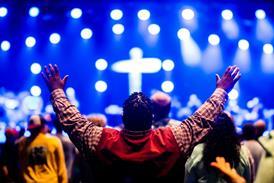




Henry Nowak’s murder shook Southampton. But the response from Christians is giving me hope
By  Paul Woodman2026-06-04T12:16:00
Following the murder of Henry Nowak and the subsequent trial, riots have placed Southampton in unrest. But looking beyond the headlines, Southampton church leader Paul Woodman sees a different story of ordinary people seeking the peace of their city through compassion and service amid grief and anger
Southampton has always been a city shaped by journeys. For centuries, people have arrived through its docks seeking opportunity, refuge, and a fresh start. Today, as I walk its streets and meet its people, I see a city facing significant challenges but also displaying remarkable signs of hope.
The fatal stabbing of university student Henry Nowak and the subsequent trial brought Southampton into the national spotlight and sparked public unrest fueled by grief, anger, and uncertainty. Residents witnessed scenes that left many feeling unsettled and saddened. Such moments expose fractures within society and…
Related articles
-
 Opinion
Trick or truth? 3 creative ways Christians are sharing Jesus this Halloween
Rather than shutting their doors on Halloween, churches across the UK are finding creative ways to engage their communities and share the gospel. Here are three ways Christians can turn a night associated with darkness into an opportunity to shine the light of Christ
-
 Reviews
Not a Priestess: The TikTok vicar’s debut book is full of amusing stories
31 year-old Pippa White has written a rich and honest account of modern clergy life — and it’s well worth your time, says our reviewer
-
 News Analysis
Three years on from the 7 October attacks, neither Israelis nor Palestinians are safer
Three years ago, Gavin Drake warned that Hamas’s 7 October attack would bring a brutal Israeli response and catastrophe for Gaza. As he revisits what he got right and what he didn’t foresee, he points to the evidence that neither Israeli security nor Palestinian freedom will be won through the destruction of the other
More from Opinion
-
 Opinion
550 baptised in Bridlington is surely proof that God’s on the move
Just one month after 170 people were baptised in Devon, 550 people have now gathered in Bridlington for another mass baptism. Merlin Kraft would like nothing more for them to find good local churches, he says. But some congregations have made it more complicated than it needs to be
-
 Opinion
Why Christian nationalism isn’t as Christian as you might think
A new survey from Theos suggests the majority of Christian nationalists do not go to Church. But the findings also raise uncomfortable questions for regular churchgoers about how closely their political beliefs align with the teachings of Jesus, says Krish Kandiah
-
 Opinion
The Man City scandal reveals why winning can become an idol
With Manchester City accused of serious financial wrongdoing, Christians in Sport’s Graham Daniels asks what the controversy reveals about our obsession with winning at any cost. It’s a temptation facing Christian leaders just as much as sports stars, he warns, and a reminder that our identity must rest in something greater than success
- Issues
- Topics A-Z
- Writers A-Z
- © 2026 Premier Christianity














Site powered by Webvision Cloud