








Even adulterers like Philip Yancey can be forgiven. That’s what’s so amazing about grace. Yet his unexpected confession of marital infidelity also confronts the Church with searching questions about our obsession with platform over character, says Sam Hailes
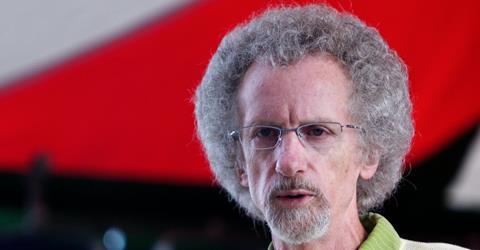
Not another one. And surely not him.
Those were my initial thoughts upon learning today that Philip Yancey has committed adultery and was unfaithful to his wife for 8 years. He’s also announced he’ll be retiring from all ministry with immediate effect.
Yancey is one of the most successful and talented writers in the US evangelical church. Many of his books, such as What’s so Amazing about Grace? and The Jesus I Never Knew (Zondervan) have been widely influential. In fact, whenever this magazine surveys our readers, Yancey frequently tops the list of all time favourite authors, alongside other greats such as CS Lewis, Tim Keller and Joyce Meyer.
The 76-year-old has enjoyed a long and successful career in Christian journalism. And the former editor-at-large of Christianity Today has been free from scandal, until now.
Having edited him, interviewed him and read many of his books, the news felt weirdly personal. And shocking. But should I really be shocked?
On one level, no. Hardly a week goes by without our team having to report on another Christian leader accused of serious sexual sin (the details and the severity differ between cases - but it’s all horrible to read). Last year, the megachurch leader Robert Morris pled guilty to child sex abuse while former Newsboys and DC Talk singer Michael Tait admitted serious sexual misconduct, for example. Both of these figures were giants in the US Church, meaning they hit the headlines. Many other Christians will have also committed disqualifying sins which were only known locally. The point is - another case of a Christian leader falling from grace is of course depressing, but it sadly can’t be considered that shocking.
But I also want to defend my shock. Surely we are right to expect better – especially of leaders such as Yancey who have built up a trusted reputation over decades. Yes, we are all sinners (“Surely there is not a righteous man on earth who does good and never sins” says Ecclesiastes 7:20). But not all sin is equal in severity - that’s why we don’t expect church leaders to resign if they pick up a speeding ticket. The qualifications for pastors are clearly expressed in scripture (1 Timothy 3, Titus 1) and we are right to lament when these are so profoundly broken by Christian leaders (not just those who lead churches). To shrug and say “I guess we’re all sinners” after a Christian leader cheats on his wife is true, but obviously inadequate.
Any shock that Yancey’s readers may feel obviously pales into insignificance when compared to his wife of 55 years. Janet Yancey’s statement makes for heartbreaking reading: “I, Janet Yancey, am speaking from a place of trauma and devastation that only people who have lived through betrayal can understand. Yet I made a sacred and binding marriage vow 55½ years ago, and I will not break that promise. I accept and understand that God through Jesus has paid for and forgiven the sins of the world, including Philip’s. God grant me the grace to forgive also, despite my unfathomable trauma. Please pray for us.”
Pray we must. Even at this dark moment, there are lessons to be gleaned from this mess.
The first has to be about grace – the subject Yancey is best known for tackling in his writing. None of us deserve God’s acceptance, but because of his great grace, all of our worst sins can be forgiven. That doesn’t mean there are no consequences for our sin. But it does mean Jesus does not condemn Philip, and therefore neither should we.
Grace is scandalous. It’s been said before if you’re not shocked by the gospel, you haven’t understood it. Free forgiveness for all! No matter what you’ve done. That’s what’s so amazing about grace. As Yancey put it himself in his bestselling book of the same title, “God loves people because of who God is, not because of who we are.”
If you are tempted to judgement, the common phrase “There but for the grace of God go I” is probably also worth bearing in mind.
Secondly, the way Yancey has owned and confessed his sin may offer a small glimmer of hope. His statement is repentant, honest and up front. It stands in stark contrast to the actions of too many other Christian leaders who have refused to own up to their sin, sought to minimise it, or even left their church in disgrace and simply moved a few hundred miles away and started again as if nothing happened.
Clearly, Yancey kept a terrible secret for at least eight years and that was wrong. At the same time, the manner in which he has finally confessed to the world appears to be appropriate. He’s stood down from all writing, ministry and speaking, and articulated that he sees this as a “disqualifying” sin. He won’t be writing any more books, or seeking out any further public opportunities to speak because he accepts that although a forgiven sinner, it’s right that he accepts the serious consequences of his actions.
Thirdly, just because someone has platform, has prominence or has “good” theology (by which I mean theology I agree with), that doesn’t mean they have good moral character. In the media world (including social media), where so many are chasing more clicks, more likes or more invitations to speak at conferences, it’s very easy to confuse and conflate inspirational speaking - or even biblical preaching - with the favour of God. The two are not the same. You can be a brilliant Christian writer and a terrible Christian. Your level of fame means nothing.
That’s a painful lesson, but with the fall of every Christian leader, we need to hear it again. Yes, be inspired by your favourite worship leader, speaker, writer or Bible teacher. But don’t ever assume the fact they are ‘known’ by thousands of people means anything.
The popularity gospel says you are only as favoured as you are famous…It’s a doctrine of demons
I was struck by how a US pastor named Lyle Philips put it recently, ”Our discernment is trash. We’re really wrestling with an inability to discern between the favour of God and the favour of man. Just because you have favour with man does not mean that you have favour with God. You’re telling me because they have a bunch of YouTube subscribers and everybody watches them and everybody knows their name and everybody invites them to their conference - that is the singular variable that communicates to us who is anointed? I think we’re deceived.
”I have preached in Mozambique, and I have asked the pastors, how many of you have raised the dead? More than ten hands go up. And you’re telling me because they’re not big on Instagram that they’re not walking in the favour of God? The prosperity gospel is a lie because it suggests that you are only as anointed as you are wealthy. Our generation doesn’t struggle with the prosperity gospel. We struggle with the popularity gospel, which says you are only as anointed as you are influential - and you are only as favoured as you are famous…It’s a doctrine of demons.”
Perhaps the saddest part of this story is that it won’t be the only example of Christian leadership gone terribly wrong in 2026. It’s a reminder to all of us to keep short accounts, confess our sins regularly and repent. And to pray not just for the ‘big name’ writers, preachers and pastors, but those too often forgotten - the Janet Yanceys. The spouses, children, friends and relatives caught in unimaginable situations through no fault of their own. May they know God’s grace too.