












Reform’s Danny Kruger this week argued the country is “suffering” from its attitudes towards sex. Lois McLatchie believes the MP is right to highlight how the sexual revolution’s promised liberation never arrived. The Church’s embarrassed silence has only added to the confusion, she says. It’s time to speak up
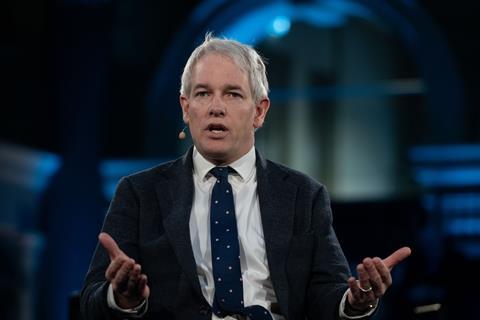
In an interview this week, Danny Kruger MP did what has been unthinkable for politicians for decades. He spoke about sex, marriage, and the relationship between the two.
“Marriage traditionally was the means by which sexual relations between men and women were regulated, and I think we are suffering from having a totally unregulated sexual economy.”
His comments stick out against the usual Westminster drudge. A parliament that spent the last decade expanding abortion access, introducing no-fault divorce, and pumping out free contraceptive access, has certainly played a major role in bringing the sexual revolution to its bitter conclusion. In a society where “liberation” is key and “consent” is considered the only limit, containing sex within marriage feels almost embarrassing to suggest out loud in polite society.
So Christians, for a long time, have stayed quiet.
But staying quiet for fear of embarrassment has not been loving to our neighbours. Despite promised “freedom”, the consequences of the sexual revolution have been hurt and decay.
False promises
Let’s start with women’s experience. The sexual revolution of the 60s promised that separating sex from marriage and potential motherhood would pave the way to a glamourous existence like that of Sex and the City’s Carrie Bradshaw – that women, freed from the expectations of ‘settling down’, could work like men, party like men, and sleep around like men without responsibility. The advent of the pill and the legalisation of abortion seemed to dispose of the need to be restricted to partners who would also perform as committed fathers if required.
But the resulting growth of hook-up culture did not prove to be in women’s interests. A Yale study found that women’s happiness has steadily decreased since the early 1970s. 1 in 3 British women now have an abortion – a procedure which not only results in the death of their child, but also is proven by leading “pro choice” psychiatrist Professor David Fergusson to be causally associated with anxiety, suicidality, alcohol misuse and drug misuse.
A culture of casual sex has also had a negative impact on men. More than half of UK therapists report seeing a rise in out-of-control porn usage among Brits. 42% of marriages end before their 25th anniversary. Most British adults are not married at all, and it’s more likely for men to now marry in their 60s than in their 20s.
This is devastating news. Unmarried men report higher rates of loneliness, depression, and social isolation, which can lead to poorer mental health outcomes and increased risk of suicide. On average, married men live longer, and have healthier lifestyles. The responsibility of providing for a family means married men often earn more, save more, and build more wealth compared to their single peers. Marriage can foster a stronger sense of purpose and responsibility, encouraging men to be more stable, productive, and focused on family well-being.
Finally, consider the impact on children. The withdrawal of sex from being bound within the context of marriage has meant that nearly half of all British teens today have broken families, forfeiting the well-documented benefits associated with living with married parents: stronger physical and mental health, better academic and behavioural outcomes, and greater protection from physical and sexual abuse, among others.
Formed by the world
The consequences of the sexual revolution have left us deeply broken as a society. But here is the harder truth: the widespread misuse of sex has been happening while many Christians have been too embarrassed to speak out about it.
If we do not disciple the next generation in their understanding of sex, someone else will. And they already are.
For years, formation has come not from pulpits or parents, but from screens and magazines. Teens take their cues from Gossip Girl and Euphoria. From glossy spreads in Vogue and the problem-page ethic of Cosmopolitan. From subscription platforms like OnlyFans and pornography giants such as Pornhub. And then we wonder why anxiety is soaring, why young women report feeling pressured into sexual scripts they do not enjoy, why young men are discipled by pornography before they have ever held a hand, why Gen Z are simultaneously saturated with sexual content and yet increasingly disillusioned by real-life relationships.
The Church’s silence has not produced sexual health. It has produced sexual confusion.
From Genesis onwards, sex is located within covenant - not because God is anti-pleasure, but because He is pro-person. Marriage binds desire to responsibility. It dignifies the body by refusing to treat it as disposable. It elevates intimacy from transaction to promise. It creates the safest possible context for vulnerability because it is underwritten by permanence.
The world talks far too much about sex. Meanwhile the Church has often talked too little about something God Himself designed. Danny Kruger is modeling how we should be responding publicly to these times. We have to recognise that the shape of our sexual culture matters for human flourishing. We need to break the taboo by recognising that sex is powerful; explaining that boundaries are not arbitrary, but protective. That marriage is not a relic, but a gift. That chastity is not repression, but the ordering of love towards its proper end. Above all, we must model what we proclaim.

























2 Readers' comments