



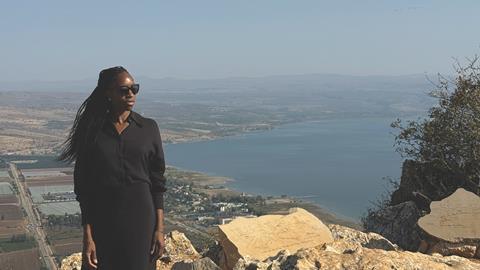

The conflict in the Middle East has kept tourists away from the Holy Land. Tola-Doll Fisher leaves the politics behind and finds that the birthplace of Christianity still has many lessons to teach her
I arrived in Israel thinking I was simply visiting any other country. Granted, it’s one that generates huge interest – whether for reasons of pilgrimage or politics – but I admit that my own excitement was initially confined to ticking another nation off my bucket list of interesting places to visit.
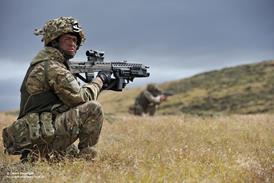
It turns out that it is unlike anywhere else. Israel and the Palestinian territories contain the birthplaces of Judaism and Christianity. The presence of the Al-Aqsa Mosque, Islam’s third most holy site, makes the city of Jerusalem one of the most contested pieces of land in the world. Visiting is like walking into a living argument between faiths, histories and people who all believe that this land belongs to them. To say that it’s complicated is an understatement. I saw this first-hand as many young Israeli soldiers walked around the streets carrying rifles. National service is mandatory, and it was strange to my Western eyes to see teenagers on their way to a night out carrying weapons like an accessory. Nevertheless, I wanted to find out where we as Christians fit into this picture. As I would discover, there are almost countless places to visit that hold deep meaning for us as believers.
Travelling as guests of the Israeli Tourist Board (ITB),* some of my colleagues and I flew into Tel Aviv and then drove straight down to Jerusalem. Later, we made the long drive about two hours north to Nazareth. Over six days, we saw ten of the most important holy sites, spending much of our time on the road in a coach with wide windows, enabling us to take in the sprawling dry desert that makes up so much of this land. It was winter, yet the temperature reached 25 degrees – a reminder of why my friend (who is an ex-BA hostess) used to spend so much time here to escape the UK climate!
The ITB are obviously keen to see tourists return to the region – and they aren’t the only ones. Many Palestinian communities also rely on tourism, almost all of which ground to a halt during the recent war in Gaza. Despite what some might assume, I did not feel any threat towards my own safety. Having a Jewish guide who understood the area, had a deep biblical knowledge and was fluent in both Hebrew and Arabic made it a life-changing experience. If you’re planning a trip, I’d recommend using well-established Christian tour companies with experience of leading church groups, such as Sar-El Tours (sareltours.com), which has been operating for more than 30 years.
On the one hand, there is a unity in Israel which is born of shared history and shared pain, but there is also fear, deep division and layers of misunderstanding. Contrary to what we often see in our newsfeeds, I didn’t witness any overt hostility between religious groups, but I am conscious that, as an obvious tourist (other than a handful of Ethiopian Jews, I saw very few Black people), my observations will be more nuanced.
In Tel Aviv, we saw memorials for the Jews murdered in the 7 October attacks. On the road to Jerusalem, cars and poles displayed the faces of Jewish soldiers missing or killed in the recent conflict. But in the Old City of Jerusalem, surrounded by pilgrims, tourists, soldiers, shopkeepers and worshippers, people went about their daily business in relative peace and safety. For people who have long lived with tensions that can easily flare up into protest, violence or worse at any time, what else can they do but – to reference the UK wartime motto – ‘Keep Calm and Carry On’?
Sites of significance
My favourite location, if I can claim one, was the Garden Tomb. As I stepped into the site where Jesus was possibly buried 2,000 years ago, I felt a sense of sudden joy and a deep urge to sing. I arrived preparing to exact deep reverence because of the significance of this burial place, but my experience was one of elation. The tomb is empty; Jesus is not inside and there is no relic to touch nor body to mourn. Christ’s humble death showed His power and authority over the grave.
I was greatly encouraged by our guide at this site, Peter Attewood. Blind from childhood, he had a life-changing encounter with Jesus while studying physics at the University of Oxford and explained: “One touch from the King will change everything.” It wasn’t healing that defined his relationship with God (he remains blind), it was simply the encounter. This is what I – and many others – felt so keenly in this holy land.
Much of what I experienced was intangible. I learned so much from our Jewish guides that resonated with my own Christian faith. For example, I discovered that Orthodox Jews wear a blue string among the white on their clothing to remind themselves of God, air and water. When you contain air or water, you can’t see a colour – but when you look at either, it appears blue. In the same way, in your day-to-day life, you might not necessarily ‘see’ God, but when you look back over your life, you see that God was working all along.
You can’t visit Israel without coming to a greater appreciation of how deeply connected Christianity is to the Jewish story
At Mount Arbel, overlooking the sea of Galilee, our guide explained how, after the temple in Jerusalem was destroyed in AD70, the Jewish people faced a crisis: How do we worship without a holy building in which we can offer sacrifices? The solution they came to is how they still worship today. In the words of the guide: “We will sacrifice our hearts.” Prayer replaced offerings and faith replaced ritual, as the focus shifted from stone to spirit.
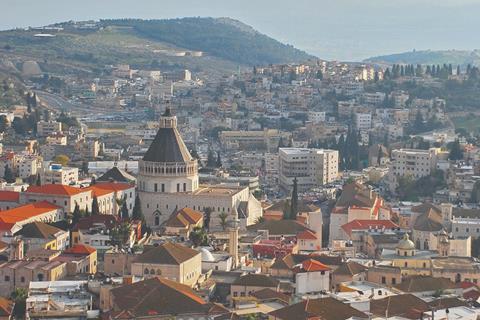
In Nazareth, the city where Jesus grew up, the population is 75% Muslim and 25% Christian. Many Christians there face pressure, discrimination and, in some cases, a special tax for refusing to convert to Islam. The Christians there are often Arabic-speaking and call themselves “the living stones” (1 Peter 2:4-5), meaning that they do not need ancient ruins to prove their faith – they are living witnesses of it.
The greatest story
You can’t visit Israel without coming to a greater appreciation of how deeply connected Christianity is to the Jewish story. Jesus was a Jew; He lived among Jews and preached primarily to them. Christianity did not begin as a separate religion; it grew from Jewish roots. Paul writes in Romans 11:17-24 that we are branches grafted into an ancient tree, and there is much in this passage to help Christians understand our relationship with Jewish people.
The conflict in this land is very real and ongoing, and most of the news coverage pits it as one side against another, whether that is Jews vs Muslims or Israel vs Palestine. Christians are often forgotten, but the truth is they exist in significant number on both sides – whether Palestinian Christians or Messianic Jews. As believers we are all united by our shared faith in Jesus, the Prince of Peace – no matter our nationality or ethnicity. And so we must pray for His land, for the peoples in it, and for peace and reconciliation to become a reality.
10 sacred sites
1. Garden of Gethsemane, Jerusalem
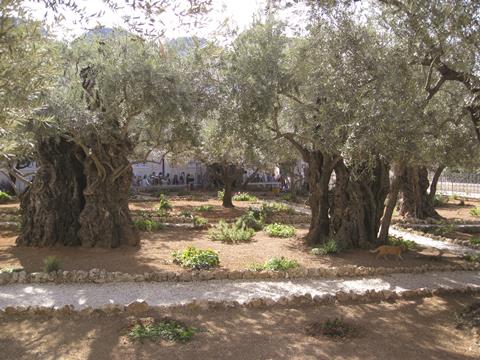
What: An olive grove at the foot of the Mount of Olives.
Why: Where Jesus prayed before His arrest.
Fun fact: Some olive trees are more than 2,000 years old – meaning they were alive when Jesus was here.
Personal reflection: A place of quiet surrender.
Tip: Experience the sacred stillness by visiting in the early morning.
2. Church of the Holy Sepulchre, Jerusalem
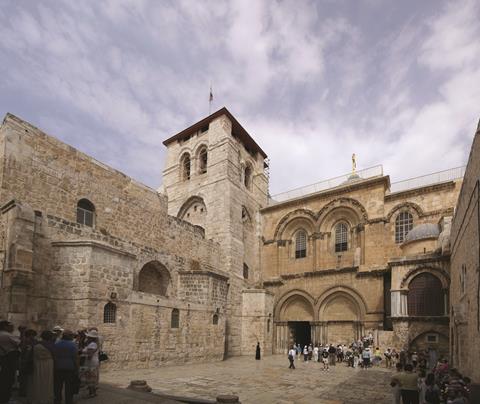
What: The traditional site of Jesus’ crucifixion and burial.
Why: Shared by six Christian denominations.
Fun fact: The keys are held by a Muslim family.
Personal moment: The tension of faith and tradition is so tangible here.
Tip: Be patient, it can get super-crowded.
3. Garden Tomb, Jerusalem
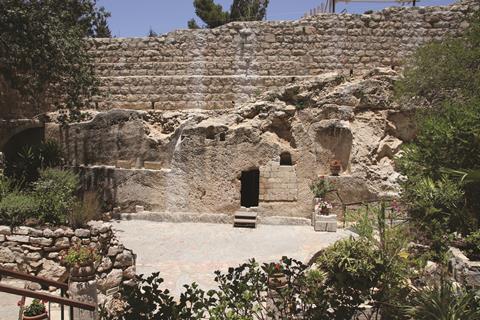
What: Alternative burial site of Jesus.
Why: Focuses on resurrection, not relics.
Fun fact: Run by a UK-based charity and administered by a Church of England vicar.
Personal reflection: I wanted to sing
with joy!
Tip: Ask the guides about their personal stories to be encouraged in your own faith.
4. Mount of Olives, Jerusalem
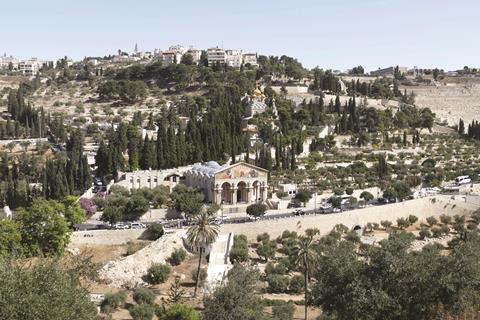
What: A ridge overlooking Jerusalem.
Why: The site of Jesus’ teachings and ascension.
Fun fact: Contains one of the oldest and largest Jewish cemeteries. Jews believe the Messiah will arrive on the Mount of Olives. Being buried there means you’re first in line for the resurrection!
Personal reflection: The view is breathtaking.
Tip: Bring water, it’s not the easiest climb.
5. Western Wall, Jerusalem
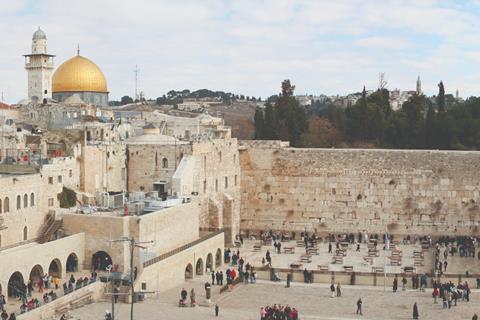
What: A remnant of the Second Temple of Jerusalem.
Why: One of Judaism’s holiest places of prayer
Fun fact: One million written prayers are placed in the wall’s cracks annually.
Personal reflection: Deep reverence fills the air.
Tip: Dress modestly.
6. Arab Quarter, Jerusalem
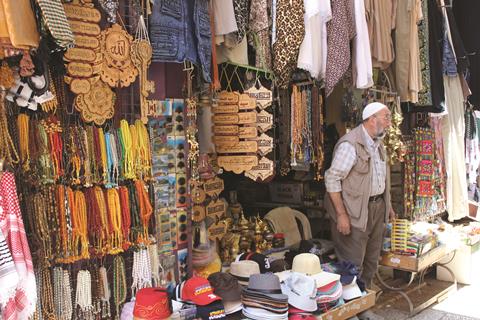
What: Bustling streets and Old City market.
Why: A glimpse of daily life beyond pilgrimage.
Fun fact: Many stalls have been family run for generations.
Personal: A sensory overload.
Tip: Be ready to haggle!
7. Friends of Zion Museum, Jerusalem
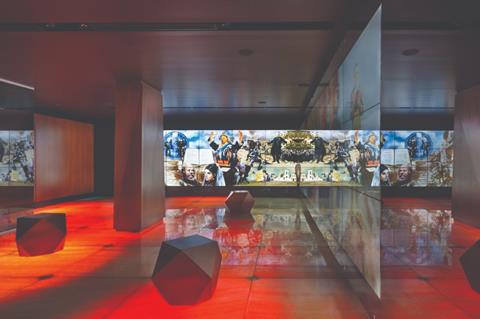
What: A multimedia museum celebrating Christian supporters of Israel.
Why: Explores the shared roots of Jewish and Christian history.
Fun fact: The entire museum experience is immersive – sound, light and story.
Personal reflection: It reframed Christianity as something deeply connected to Jewish survival.
Tip: Allow at least two hours.
8. Tower of David Museum, Jerusalem
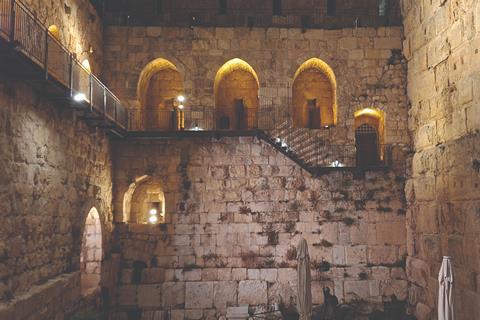
What: A historic citadel at the Jaffa Gate.
Why: Tells Jerusalem’s 4,000-year story.
Fun fact: It is not actually David’s tower.
Personal reflection: Standing on its walls, the city felt alive.
Tip: Visit at sunset for the most mesmerising views.
9. Magdala
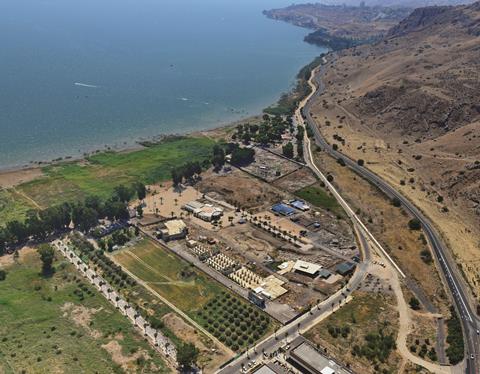
What: An ancient town by the Sea of Galilee.
Why: The home of Mary Magdalene.
Fun fact: Contains a first-century synagogue.
Personal reflection: A reminder of the many women whose stories may not take centre stage in modern Church teaching.
Tip: Visit the women’s atrium where guides say the names of every woman who passes through it are inscribed (though not literally) on the stone pillars.
10. Jaffa, Tel Aviv
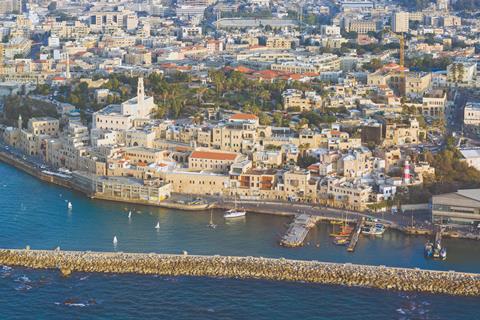
What: An ancient port city.
Why: Historically served as an entry point for pilgrims.
Fun fact: Considered the economic and technological centre of the country.
Personal reflection: Witnessing the arrival of an Orthodox Jewish bride made me feel filled with hope for the future of this country.
Tip: Stand under the arches at Abrasha Park to get the perspective of early pilgrims.
*The British Foreign Office advice does not prohibit travel to any of the areas mentioned in this feature

















No comments yet