











Christian apologist Wes Huff has confessed to plagiarising other scholars, after prominent Christian leaders rushed to his defence. The scandal is a sobering reminder of why we must never allow loyalty to our heroes to come before the truth, says Becky Hunter-Kelm
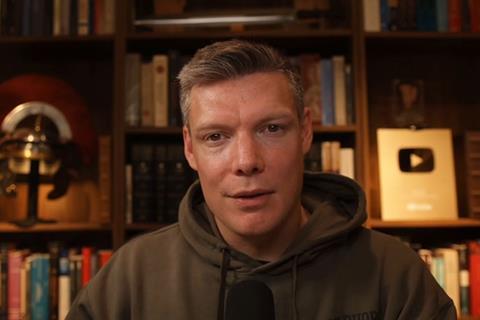
Just last week, I was messaging a friend with whom I often ping-pong podcast recommendations. I encouraged her to listen to noted Christian apologist Wes Huff who recently appeared on Steven Bartlett’s Diary of a CEO.
Huff’s biblical knowledge, his personal experience of God’s healing when he was 11, and his gentle way of sharing the logical reasons for his faith have impacted thousands of people worldwide as they wrestle with the big questions of faith. I wanted my non-believing friend to hear his eloquent arguments.
But today, I join the many Christians who are deeply shocked and saddened to learn that, after a number of days of accusations against him, Huff has admitted he has sinned by plagiarising other scholars in his work.
“I have plagiarised the work of others. This was wrong, and it was sinful,” Huff wrote in a lengthy confessional statement posted to X. He also asked his audience to pray for his family as he takes a step back from ministry and submits himself to a full review by Apologetics Canada. He added that he will be under the care and counsel of his church and elders.
How we got here
The truth began unravelling earlier this month when biblical scholar Dan McClellan, a member of the Church of Jesus Christ of Latter-day Saints, took to his YouTube channel to publicly accuse Huff of plagiarising “significant portions of a paper he submitted as part of the coursework for his master’s degree.” Since then, more video clips have emerged of Huff seemingly reading other people’s work during online interviews and debates without crediting them.
Prominent Christian figures who rushed to defend Huff after the initial exposure included Florida-based pastor Brian J. Wright and Dallas-based megachurch pastor Josh Howerton. Wright was among the scholars whose work Huff had used without attribution, and in a live video alongside Huff (which has since been deleted), Wright praised Huff for reaching out and called McClellan’s claims “a hit job.”
It’s deeply concerning that, instead of showing genuine concern about these allegations, Wright focused on attacking McClellan’s motives instead. The fact that McClellan is a Mormon seems to have contributed to other evangelical Christians’ initial scepticism toward the claims. But discounting a whistleblower purely because they hold different beliefs from ours is dangerous and wrong.
When we defend our heroes
Sadly, we’ve been here before. Let’s not forget it was ‘The Friendly Banjo Atheist’ who first started to expose the deceptions of Ravi Zacharias back in 2015. Many Christians refused to take these allegations seriously - suggesting this atheist blogger had an “agenda” and couldn’t be trusted.
Canadian academic and Christian Stephen Bedard has pointed out the danger of dismissing Huff’s plagiarism claims just because he has reached the masses with the truth of the Gospel and the reliability of the Bible. Discounting accusations because “look at all the good he has done for the kingdom of God” is the same mindset some Christians used to shield Ravi Zacharias from scrutiny.
Fellow apologist and YouTuber Mike Winger had initially defended Huff but withdrew his support when more evidence of plagiarism came to light. Winger admitted he had spoken prematurely without the full picture, and publicly urged others to “stop defending Wes Huff.”
Whenever a Christian with a large platform falls like this, the temptation to sweep mistakes under the carpet is so real because we don’t want to let go of the place that person had in our hearts. It’s painful to face the truth that someone we admired so deeply had deliberately abused trust and sinned in this way. But we have to face the truth. We must not be afraid of it.
God’s grace
Huff has now deleted his initial defensive response video and issued a public apology acknowledging that he plagiarised others’ work. I think this is God’s grace to him. I pray that his repentance will bring genuine change, humility and growth – and save Huff from falling into more serious scandals later on.
If, like me, you’re left hurt and reeling after Huff’s exposure, pray for him. Huff has stated, “Above all, I want to walk through this with genuine repentance before God, and with humility toward those I have wronged. I know that repentance is more than words, and I recognize that it will need to be demonstrated through my actions going forward. My prayer is that God would use this painful season to confront what needs to change in me and to lead me toward genuine repentance.”
We also need to pray for those impacted by his apologetics (Steven Bartlett, Joe Rogan and my friend all come to mind!) that, despite Huff’s plagiarism, God would draw them to himself.
Accountability and character must come first. Christian apologists can become recognised personalities whose platforms quickly grow due to their charisma and impressive arguments. But such things mean nothing if sin lies beneath. The Church has a responsibility to hold Huff (and others) to account.
We would all do well to remember that character matters more than charisma, and integrity more than influence. The next time serious allegations emerge against a Christian leader we admire, let’s resist the temptation to shoot the messenger.