












Comedian Russell Brand has been convicted of rape and sexual assault, two years after a high-profile conversion to Christianity. It’s right to believe in second chances, says Christian therapist Holly-Anna Petersen. But the promise of God’s redemption must never come at the expense of victims
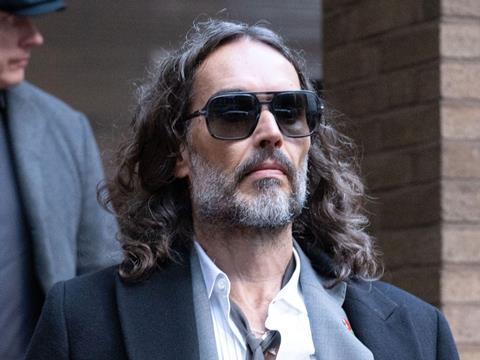
Russell Brand has been found guilty of one count of rape and three counts of sexual assault following a three-week trial at Southwark Crown Court in London. Brand was also acquitted of two further rape charges and one charge of attempted indecent assault. He denied all the allegations. Six women brought allegations of sexual violence and abuse against him that spanned more than a decade.
The verdict marks an important moment for those who brought their experiences before the court. But beyond the legal proceedings, the case raises another question for Christians: How can we explore the theme of forgiveness without causing more harm to the victims?
We need to consider what happens when we rush to celebrate public displays of transformation
Shortly after allegations against Brand first surfaced in September 2023, he underwent a very public baptism in the River Thames. In April 2024, with Bear Grylls alongside him, Brand described the experience as an opportunity to “leave the past behind” and be reborn in Christ. Grylls embraced Brand during the ceremony, which prompted widespread media coverage and discussion within the Christian community about faith, redemption and forgiveness.
Christianity teaches that God’s forgiveness is available to everyone, even those who have committed terrible acts. And we know the power forgiveness can have – psychological research suggests that forgiving others can sometimes help reduce feelings of anger, resentment and distress.
We can’t retraumatise victims
As a therapist, I often work with people who have experienced trauma at the hands of another person. The emotional consequences can be profound. There are often deep feelings of pain, anger, shame and suffering that need to be understood and worked through. So what message do we send when we publicly celebrate someone’s claimed redemption, while the people they have harmed continue to live with the emotional consequences of their actions?
The period following trauma is particularly important. People are not simply trying to process what happened to them; they are often trying to make sense of a world that no longer feels the same. Their understanding of other people, relationships and their own safety may have fundamentally changed. Questions such as “Did anyone believe me?”, “Did people support me when I needed them?” and “Am I safe?” can become central to recovery.
This is why it matters how we respond to allegations of harm. When we rush to publicly celebrate the redemption or forgiveness of someone who has caused harm, we risk overlooking the people who are still living with its consequences. For those affected, seeing public support - like Grylls hugging Brand after his baptism - can reinforce feelings of isolation and helplessness. It can even reopen wounds that a person has spent considerable time trying to heal.
Redemption does not erase responsibility
I’m not suggesting that baptisms should never be public. Nor am I suggesting that people should be denied the opportunity to change, find faith or seek redemption. These can be deeply meaningful experiences, and it is right to recognise the possibility of personal change.
It matters how we respond to allegations of harm
But we also need to consider what happens when we rush to celebrate public displays of transformation. When we do that, we risk focussing on this, at the expense of other Christian principles, such as penance and repentance. Leaving our past behind requires more than a public declaration of a changed life. It involves an honest recognition of the harm caused, an understanding of its impact on others, and a willingness to take responsibility.
I would argue that if someone chooses to publicly celebrate their changed ways like Brand did, knowing that it could retraumatise the victims, they’ve probably not gone through an adequate process of self-reflection.
As we consider the outcome of Brand’s court case, forgiveness will undoubtedly remain part of the conversation for Christians. But let’s be careful about where we direct our attention. Let’s celebrate accountability. Let’s leave room for the possibility of genuine repentance. But above all, let’s remember the people whose pain is so often placed under the shadow of somebody else’s story of forgiveness.

























No comments yet