






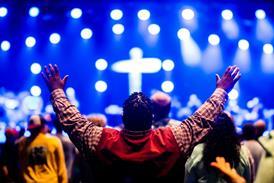





When we retreat into generational silos, we all lose, says Chine McDonald. The Church is one of the few places where different generations spend time together
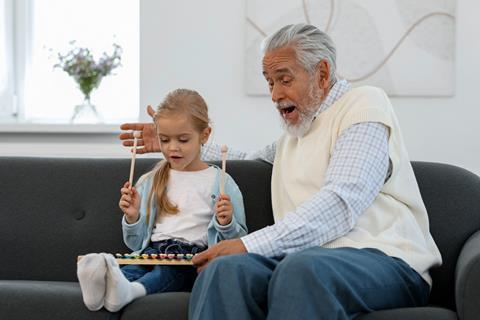
As my youngest son begins school this month, I’m looking back on all the experiences he has had at his excellent nursery. There’s one regular activity that I’ve been particularly grateful he’s had the chance to experience: going to the local care home and eating biscuits with the residents. Party rings, to be precise. Each week, some elderly people in care homes in my area are visited by different groups of local four-year-olds. It’s true that the kids may be going for the snacks, but regardless, I’m warmed by this act of intergenerational community-making.
Our culture has not done intergenerational community well in recent decades. Generations are siloed; we don’t understand each other. We generalise about ‘gen Z’, ‘millennials’ and ‘boomers’. We too often put generations in boxes rather than valuing the beauty of the individual made in the image of God. The Church is one of the few places where it’s still possible to see different generations under one roof.
One of the greatest gifts my Igbo Nigerian heritage has given me is the conviction that older people should not be on the margins of society, but at its heart.
The invisibility of ageing feels like something that is particularly Western. In the UK, ageing is often seen as something to resist, disguise or hide. It represents frailty, vulnerability and mortality. In other cultures around the world, there are more practices and traditions that honour older people. In China, respecting elders is considered a moral obligation. In the Māori culture of New Zealand, kaumātua – older people – are guardians of tribal knowledge, which is gained through age and experience. This month, Japan celebrates its annual Respect for the Aged Day – a national public holiday to honour the elderly. What does it say about British culture that such a day feels so countercultural?
Valuing the wisdom of age is not about patronising older people
When I’m among my Igbo relatives, age is held with deep reverence. Some Nigerian cultures even bow when they enter the presence of older people. But really this is about far more than ‘respecting our elders’ out of obligation, duty or custom. To me, it speaks to a culture of intergenerational interdependence. We know that we are not separate from those who have come before us, nor are we separated from those who will come after us. We are not separated from those within our family or wider community – which we call the Umunna – even though we might be separated by miles and oceans. The idea that a person should be forgotten or discarded once they reach a certain age – as a youth-obsessed culture might suggest – is anathema to a cultural tradition that leaves no one behind.
I believe the kingdom of God is intergenerational. Just as the early Church gathered across different traditions, genders, roles and wealth brackets, they gathered too across ages. Valuing the wisdom of age is not about patronising older people, but recognising their inherent value, dignity and worth – pointing to a God who sees people of all ages as image-bearers, and who dwells in community of mutual interdependence.
Maybe the question is not just about how we care for older people. Perhaps we need to ask ourselves what kind of people we become when we no longer know them or no longer spend time with them. If children never hear the stories of those who came before them, and older people no longer hear the laughter of children around them, we all lose something of what it means to be human. That’s why I’m grateful my child gets to hang out with older people and eat biscuits.

























No comments yet