


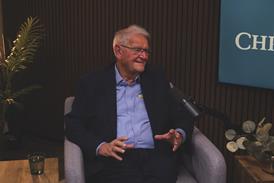









As conflict intensifies across the Middle East, Sawsan Aranki-Batato says her Christian faith is sustaining her, and many of those working in the Palestinian territories. As the Christian community dwindles and humanitarian needs increase, she calls for prayer and support from the worldwide Church
Over the past two years, the Episcopal Diocese of Jerusalem and its health institutions have operated under some of the most extreme humanitarian conditions in recent history. Across Gaza, East Jerusalem and the West Bank, ministries have remained steadfast in their mission to heal, educate and serve all who seek help, regardless of background or social conditions.
Despite relentless violence, economic collapse, restricted movement and chronic shortages of medicines and supplies, these institutions have continued to function with courage, dignity and compassion. Their perseverance reflects not only resilience but also the deep spiritual foundation that sustains their work.
At the heart of this lies faith. Biblical assurances such as Romans 8:28 and Psalm 23 have provided strength and consolation to healthcare workers, administrators, teachers and clergy alike. In the midst of devastation and uncertainty, we draw comfort from the conviction that God remains present in both suffering and hope. This spiritual grounding has fortified us, enabling us to continue with our mission even as external pressures intensify.
Faith under fire
Nowhere has the crisis been more severe than in Gaza. The scale of human suffering is immense. Limited access to humanitarian aid, including food, medicines, medical supplies, clean water, hygiene materials and adequate shelter has triggered a devastating public health crisis. Infectious diseases have spread rapidly due to overcrowding, poor sanitation and contaminated water. Chronic patients have developed life-threatening complications due to shortages of essential medications. Many have suffered amputations, blindness, disability or irreversible deterioration.
Consequently, beyond the visible toll of bombardment lies a less visible but equally alarming crisis. Malnutrition, untreated infections and persistent medicine shortages are undermining long-term public health, with children among the most affected. Prolonged hunger weakens their immune systems and impairs both physical growth and cognitive development.
The consequences extend far beyond childhood: impaired cognitive development reduces future productivity, limiting opportunities for meaningful employment and economic contribution. If an entire generation grows up with diminished capacities, the result will be increased dependence on humanitarian aid, creating a cycle that undermines long-term recovery and prosperity.
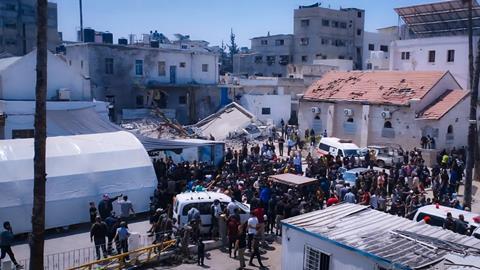
Amid these conditions, Al Ahli Arab Hospitall remains a lifeline. Despite multiple airstrikes and damage to its emergency department, it has continued operating while many facilities were destroyed or forced to close. The hospital absorbed waves of casualties and maintained critical care as staff worked around the clock, treating hundreds of patients daily and operating far beyond normal capacity.
Adaptability has been essential. When parts of the hospital were damaged, emergency tents were erected to provide urgent care. When physicians were displaced, they established temporary clinics to treat displaced families. This reflects a determination to serve wherever the need arises. Faith remains central, offering spiritual resilience and meaning amid trauma. The staff’s endurance is sustained by faith and by the solidarity of partners whose support strengthens morale during overwhelming strain.
The crisis beneath the headlines
While Gaza has drawn global attention, the West Bank also faces a serious but underreported crisis. Daily violence, movement restrictions and economic decline have deepened hardship. Unemployment has surged as many have lost jobs, while reductions in international aid and financial instability have weakened healthcare access. Severe shortages in public clinics have driven patients to diocesan facilities as a last resort.
In Nablus, St Luke’s Hospital has become a critical refuge for uninsured and unemployed patients. Despite mounting financial pressure, the Diocese views this growing demand not as a burden but a blessing, a calling to save the lives of vulnerable patients. Remaining open to all who seek care embodies its Christian witness. Other diocesan clinics across the West Bank provide similar continuity of care amid instability, striving to preserve both health and human dignity.
East Jerusalem and Bethlehem face another challenge: economic collapse. The decline in tourism, once a pillar of the local economy, has devastated families and institutions. Many households can no longer afford tuition or medical fees, leaving schools and hospitals with mounting deficits. Movement restrictions further complicate access, preventing patients, healthcare workers and teachers from reaching Jerusalem. Supporting these institutions is therefore both a humanitarian necessity and essential to sustaining a living Christian presence in the Holy Land.
Across Gaza, East Jerusalem, and the West Bank, the Christian population continues to decline and now stands at less than one percent of the population. Economic hardship, insecurity and limited opportunities drive emigration, especially among young families seeking stability for their children. This threatens not only community life but also the continuity of a historic Christian witness rooted in the land for centuries.
Praying for peace
Throughout these crises, prayer and advocacy remain indispensable. Spiritual solidarity strengthens those on the front lines, reminding them they are not alone. Advocacy at political and international levels is vital to secure humanitarian access, protect civilian, and sustain essential services. Churches and partners worldwide play a crucial role through prayer, financial support, public witness and visits that demonstrate solidarity.
The urgent needs remain clear: to address shortages of food, medicine, water and shelter; protection for healthcare workers, patients and educators; sustained support for diocesan institutions operating under extreme strain; and committed advocacy for justice, peace and human dignity. Beyond rebuilding infrastructure lies a deeper imperative - restoring lives, protecting hope and nurturing the next generation.
The Episcopal Diocese of Jerusalem continues to stand firm in its mission, but it cannot do so alone. The resilience of its institutions reflects extraordinary courage, yet survival is only the beginning. This moment represents not only a humanitarian emergency but also a moral call to protect life, preserve hope and help rebuild a future for children and communities whose endurance has already been tested beyond measure.




















1 Reader's comment