












Craig Groeschel’s personal experience of “the emotions no one talks about”, combined with clinical psychologist Wayne Chappell’s expertise, creates a powerful resource that debunks the myth that good Christians shouldn’t struggle with mental health issues, says our reviewer
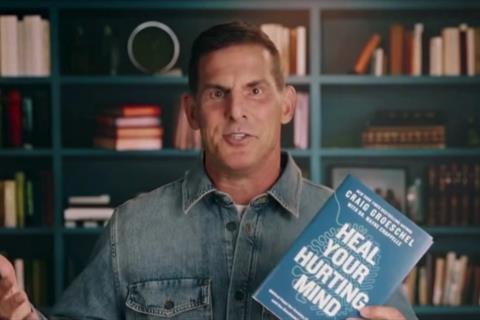
Good Christians shouldn’t struggle with mental health issues and if they do, faith alone should fix them. And anyway, God isn’t concerned with this part of our lives.
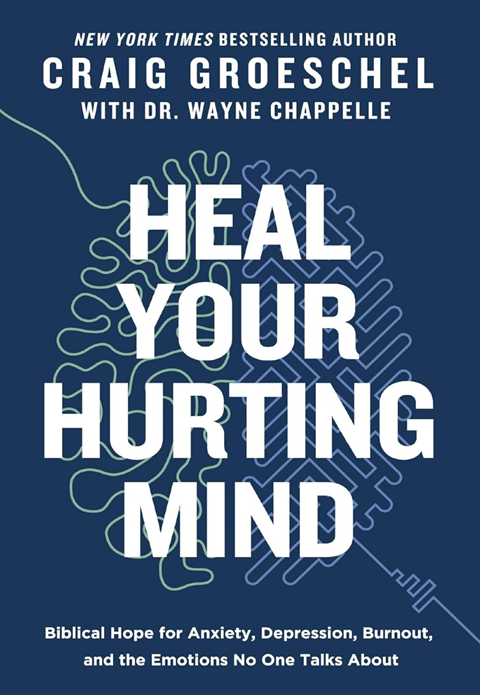
These are opinions that have somehow been absorbed by many Christians and are firmly debunked in Craig Groeschel and Wayne Chappell’s excellent book, Heal Your Hurting Mind (Zondervan).
It is of course not the first time the subject of mental health has been addressed from a Christian perspective, but some things help this volume to make a fresh impact.
The book is a joint effort and more effective for that. Craig Groeschel is the pastor of a large busy church in the US. He is described by his co-author as “an accomplished ministry leader, pastor, speaker and author.” It was a surprise to him and to those around him when he began to suffer from burnout and ended up having a breakdown. His account of how he got to that point, the effect it had on him and how he came out the other side gives the teaching in the book real credibility.
Dr Wayne Chappell is his co-author and the clinical psychologist who helped him recover. Groeschel contributes the majority of the book, describing his personal journey and illustrating his teaching with some enjoyable biblical exegesis. Chappell concludes each section with his reflection on the topics covered, written from the perspective of a mental health professional.
Anxiety, depression, negativity, anger, trauma and burnout are topics addressed. The first two are often discussed elsewhere but the others less so, yet it’s clear that they can be equally devastating in their effect on an individual’s wellbeing. It was interesting and refreshing to read, for example, of his study on the effects of negativity; how easy it is to become cynical and jaded and how this can seep into our whole lives. Groeschel cites attitudes we may have unknowingly adopted and suggests ways of changing our thought patterns. This is not something often addressed in this way.
In the section on Trauma, Groeschel uses Paul (“the apostle to the traumatised”) as a useful case study. Dr Chappell’s reflection is clear that traumas we have experienced in our lives will affect each of us in some way, but that it is not inevitable that we can only be damaged by them, rather it is possible to prepare for and learn to cope with them.
Groeschel has a very engaging style throughout – mixing humour and down-to-earth biblical teaching on each topic. His style is non-judgemental and encouraging. He writes of his own struggles with an honesty and openness that will enable the reader to identify with him but also includes some wise insights and suggestions for healing that are very practical. The fact that they are accompanied by his own story gives them added value.
Chappell’s contributions add weighty scientific justification for the insights Groeschel expresses. In his introduction Groeschel writes: “I’ve invited Dr C to contribute his wisdom. I asked him to help me, as well as to vet the entire book from a professional and clinical standpoint”. This lifts it above just a personal testimony or a Bible study on the topics and makes it more rounded and useful. The reader is invited to apply the teaching to their own lives through questions to ponder at the end of each section and a space to write their own reflections.
To read it can be quite demanding. The reader will inevitably find themselves examining their own life and that may throw up unexpected memories and give us new insights into experiences they have had. But the hope-filled and encouraging way that the subjects are tackled mean that it doesn’t just give understanding but also presents tools for healing.
The book is solidly Christian in its tone. Someone who does not share those beliefs may not be able to understand or appreciate everything that the authors are advocating. Nevertheless there are useful insights for all readers and it could open the door to appreciating a Christian perspective on these issues if it has not been considered before.
It would certainly be valuable for any Christian thinking through these topics or just helping someone else. The message is clear; good mental health is vital to our wellbeing and God cares about that!

























No comments yet