










Why UKIP’s ‘Walk with Jesus’ march is a cynical manipulation of our faith
By  Rev Dr Keith Brindle2026-03-06T13:56:00

As a new form of Christian Nationalism rises in the form of UKIP’s ‘Walk for Jesus’ marches, the Dean of Liverpool Cathedral is right to say he wants nothing to do with it, says Rev Dr Keith Brindle
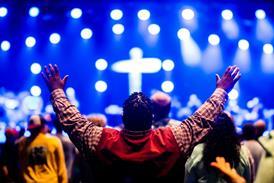
When UKIP announced a ‘Walk with Jesus’ through the streets of Liverpool this Lent, starting on the steps of the Metropolitan Cathedral, many Christians might have felt a flicker of nostalgia.
For those of a certain generation, March for Jesus evokes memories of colourful, ecumenical processions through the 1990s - joyful expressions of faith intended to bless our cities.
However, as the Dean of Liverpool Metropolitan Cathedral, Canon Anthony O’Brien, made clear in a firm statement last week, this is not that.
The Cathedral’s refusal to grant permission for the march to use its piazza was more than a logistical quibble; it was a profound
Related articles
-
 Opinion
Reform UK will protect Britain’s churches - and our proud history of religious freedom for all
Dan Barker, head of Reform UK’s Christian Fellowship, explains why tackling illegal immigration should not be pitted against the Bible’s instruction to welcome the foreigner. Protecting Britain’s Christian heritage is the only way to maintain a pluralistic society where people of all faiths can flourish, he says
-
 Opinion
Trick or truth? 3 creative ways Christians are sharing Jesus this Halloween
Rather than shutting their doors on Halloween, churches across the UK are finding creative ways to engage their communities and share the gospel. Here are three ways Christians can turn a night associated with darkness into an opportunity to shine the light of Christ
-
 Opinion
Why Christian nationalism isn’t as Christian as you might think
A new survey from Theos suggests the majority of Christian nationalists do not go to Church. But the findings also raise uncomfortable questions for regular churchgoers about how closely their political beliefs align with the teachings of Jesus, says Krish Kandiah
More from Opinion
-
 Opinion
550 baptised in Bridlington is surely proof that God’s on the move
Just one month after 170 people were baptised in Devon, 550 people have now gathered in Bridlington for another mass baptism. Merlin Kraft would like nothing more for them to find good local churches, he says. But some congregations have made it more complicated than it needs to be
-
 Opinion
The Man City scandal reveals why winning can become an idol
With Manchester City accused of serious financial wrongdoing, Christians in Sport’s Graham Daniels asks what the controversy reveals about our obsession with winning at any cost. It’s a temptation facing Christian leaders just as much as sports stars, he warns, and a reminder that our identity must rest in something greater than success
-
 Opinion
The Cornell scandal shows that consent-only sex education has failed
The case of Jane Doe and the Cornell Seven is truly horrifying, says Lois McLatchie-Miller. But the questions it asks of our modern sexual ethics go far beyond consent. With one in four women having experienced sexual assault, it’s time to reclaim a Christian vision of sex that truly enables human flourishing
- Issues
- Topics A-Z
- Writers A-Z
- © 2026 Premier Christianity














Site powered by Webvision Cloud