







Our screens are consuming us more than we may realise. Tim Boxer cautions that devastating consequences can come from the seemingly harmless habits we lend our attention to. He says 2026 is the moment to confront the hidden cost of distraction and choose a more focused, Christ-centred life
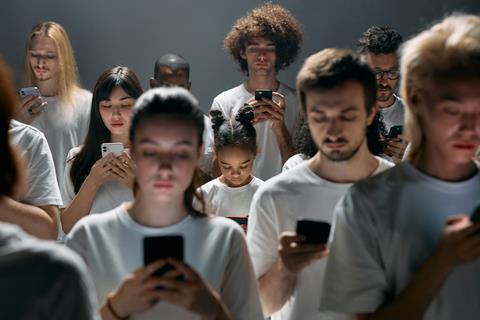
There is a war going on over our attention and most of us don’t want to admit it.
In almost every way it’s nothing new. Apart from the fact that now we seem so enmeshed in the wrong side of the battle that we can hardly notice we’re in a war at all. And when it does become apparent, it is so horrific to contemplate and apparently impossible to fix that we use the oldest trick in the book to avoid having to take responsibility: denial.
For example, spending five of your precious waking hours every day on a device (which is the UK average for adults, excluding work time), and thinking it is normal.
Starting and finishing each day mentally saturated, fighting anxiety and wrestling with comparison and indecision is apparently the necessary side-effect of “normal life”. Get with it. Sharpen up.
But how has this happened? I think it could be because we have underestimated how precious our attention is. More and more we live like our external actions are the only things which matter.
It is fine to scroll social media at church so long as you are at church. It’s fine to binge watch Stranger Things provided you read a Bible verse before you go to bed and volunteer on the following day. So long as you don’t sleep around, don’t worry about gazing at other beautiful women (or men) on Instagram.
How have we got to this place where we don’t seem to think it matters what our eyes and brain do, providing our body is doing the right thing? It couldn’t be more contrary to God’s command to love him with our heart, soul and strength. Every part of us.
I believe that our attention is one of the most valuable things we have.
An age of abundance…and anxiety
We’re in an epoch of unprecedented options. It is a remarkable time in history; three generations into peace on British soil; while facing an anxiety crisis among young people and also seeing a spectacular rise in church attendance, especially from young adults. But whatever the physical and spiritual climate, we face the same choice that people have had all through history. What will we set our attention on?
Either life-giving or devastating consequences proceed from the chosen object of our attention. What we gaze upon, both literally and figuratively, initiates how our brain operates and correlative behaviours always follow.
I believe 2026 is a year to heed Jesus’ exhortation to cut out that which causes us to sin (Matthew 5:30). And perhaps it is a year to read and become inspired by those who have walked in faith before us, as listed in Hebrews 11.
It is easy to say “fix your eyes on Jesus”. But what does that mean? If I am honest, I don’t really know apart from the obvious things like prayer and Bible reading. But what I have discovered following a little experiment over Christmas is evidence that it might be simpler than I thought.
From the 24 to the 28 of December, I put away my phone and laptop and didn’t touch them. Like many others, I have often lived thinking that these things really don’t affect me that much. I can control it myself.
But from day one, the result of not having any devices available was that part of my brain I had forgotten existed woke up. I began to imagine, to dream, to talk to God. I wasn’t having to white-knuckle my attention back onto God and beat down other distractions – it just began to happen.
Screens, sin, and spiritual formation
I wonder if this is our natural default; we are hard-wired to have our attention on God with our spiritual and physical eyes set on him. Perhaps it only becomes such a huge struggle because we get entangled with what Hebrews 12:1-2 refers to as hindrances and sin.
But because we don’t want to recognise the “small” hindrances as they really are – we keep going – and then wonder why our connection with God is fragile and sporadic. Obsessive screen use, subconsciously justified “because everyone else is doing” isn’t the only distraction we have to face, but for most people it is very real and has huge side-effects. And these are now shown through increasing research and published articles.
Either life-giving or devastating consequences proceed from the chosen object of our attention.
There isn’t really a biblical prescription for what each person should do with their screens. Digital technology has no moral value, good or bad, in itself. It is neutral like many things that lead us astray. But that sin and hindrances keep our attention from God, is absolutely biblical, if anyone needed further convincing!
The author of Hebrews tells us that to be caught up in sin can happen easily – as easily as taking your attention off the task at hand, and on to your social media and scrolling for 30 minutes, three or four times each day. Those 30 minutes are filled with all sorts of visual stimulation, judgement, comparison and perhaps fantasy. And I wonder, do we really need that in our lives? And what might it look like to throw off everything that hinders and the sin that so easily entangles in 2026?
A year to reset
So many tools have been developed to help us control screen time (I’d recommend the Freedom App) but nothing compares with taking away the distraction entirely. Some say this isn’t true freedom, but Jesus said if it causes you to sin, cut it out! It is the first step to getting free because it allows our attention to magnetise back to Christ – where it really wants to be. And having our attention on him is what changes everything.
2026 isn’t a year for denial, or shame for that matter. It is a year to reset and live an uncompromising life with a special focus on our attention. There is hope for all of us, even the worst of sinners, to return to Christ in our everyday life.
If you feel like you wasted last year or perhaps several years, you don’t need to carry that burden, you can simply take action today. That is the way out of the pit.
I’d like to suggest, alongside a simple commitment to daily prayer (try Exodus90, Lectio365 or just read a chapter of Proverbs each day), that you take drastic measures to reduce your screen time. Be honest with yourself, and do whatever it takes.
And then enjoy the inevitable fruitfulness that follows your choice to set your attention on him.





















1 Reader's comment