


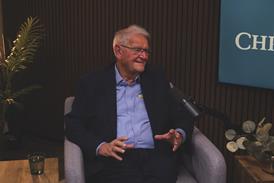









A new book by David Oliver, written following the sudden death of his son Joel, offers a thoughtful exploration of grief that combines personal experience with biblical insight and practical guidance for supporting those who mourn, says our reviewer

Grief is something most people will encounter at some point, yet it can still feel difficult to talk about, especially in church spaces. In All About Grief: Comforting Those Who Mourn, Equipping Those Who Care (Malcolm Down), David Oliver offers a thoughtful and sensitive response to that challenge.
Written after the sudden death of his son, Joel, the book carries a depth that feels both personal and purposeful. Oliver writes as someone who has lived through profound loss and is seeking to help others navigate it. The result is a book that sits somewhere between memoir and manual, moving between reflection, biblical insight and practical guidance.
Oliver captures the disorientation of grief with striking clarity. “The world around you seems to move on while your own world has stopped,” he writes, a line that would resonate with everyone who has experienced grief. Insights like this run throughout the book, where lived experience shapes the tone as much as theology.
Theologically, Oliver resists the urge to rush past suffering. In some church contexts where hope is strongly emphasised, grief can feel like something to move through as quickly as possible. Here, space is given to lament without losing sight of faith, holding onto the quiet assurance that God remains present even when understanding feels out of reach.
The book handles the complexity of grief with care
The book handles the complexity of grief with care. While engaging with familiar ideas such as the stages of grief, Oliver avoids presenting them as a fixed roadmap. As he puts it: “each heart knows its own grief”. He illustrates this through his own experience: his wife found comfort in speaking with visitors who came to support them, while he found himself withdrawing instead. The contrast is both honest and reassuring, highlighting that there is no single way to grieve.
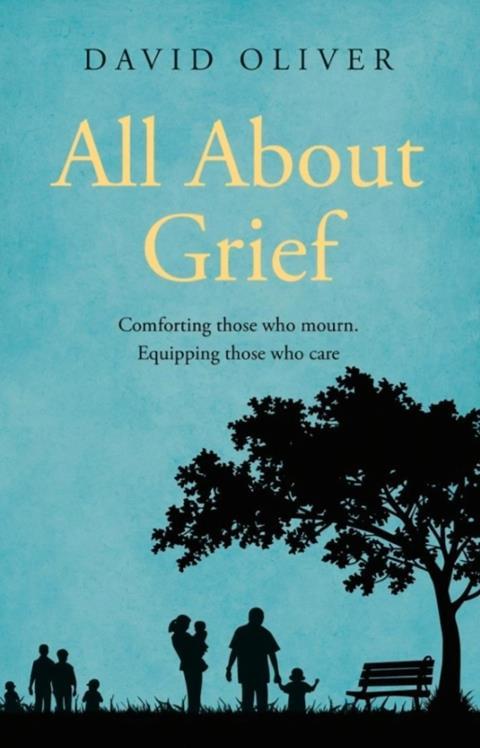
The writing is clear and accessible, making the book easy to engage with even when the subject matter is heavy. At times, it leans more into practical instruction, offering guidance for those supporting others. While this can feel more structured than the reflective sections, it also makes the book particularly useful in real-life situations.
The practical guidance is one of the book’s strongest features. Oliver addresses the uncertainty many people feel when supporting someone who is grieving: what to say, what to avoid and how to be present in a way that genuinely helps. These moments are handled with both honesty and sensitivity.
He also draws on the distinction between grief and mourning, echoing the work of David Kessler, who describes grief as what happens internally and mourning as what is expressed outwardly. Kessler notes that while everyone grieves differently, there remains a shared need for that grief to be witnessed. This framework underscores the importance of community, and the need for grief to be seen and acknowledged rather than hidden away.
A gentle challenge to the Church runs throughout. Oliver reflects on how communities are not always prepared for grief until it arrives, encouraging a more intentional and sustained approach to care. What stands out most is the tone. Oliver avoids quick fixes or easy answers, instead writing with steady compassion and recognising that grief can be exhausting, confusing and, at times, overwhelming.
All About Grief is a compassionate and thoughtful resource, offering reassurance for those walking through loss and practical wisdom for those seeking to support them. It prompts an important question for the Church: how well is space being made for grief, and how present and patient are communities willing to be within it?























No comments yet